

Future Bridge logo

Strategy that works when you're thinking about load curves and what could go wrong

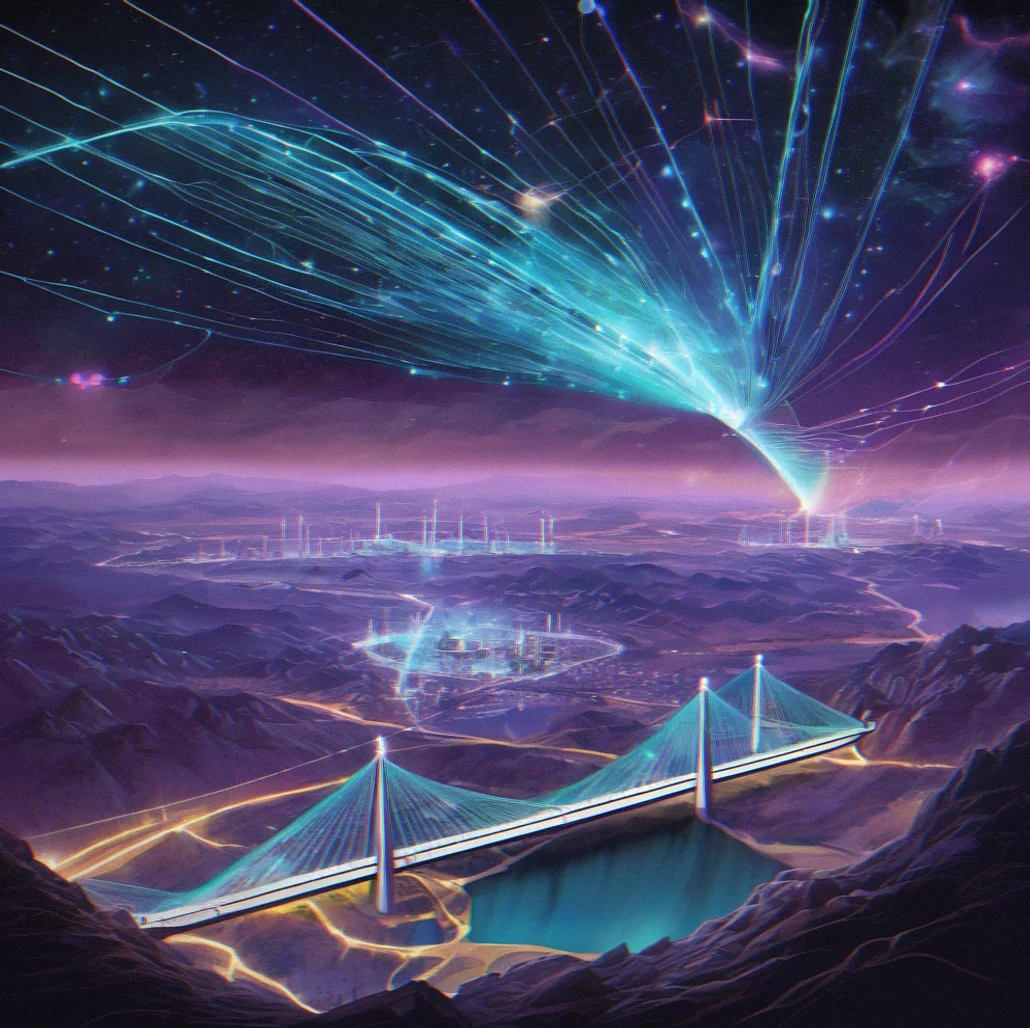
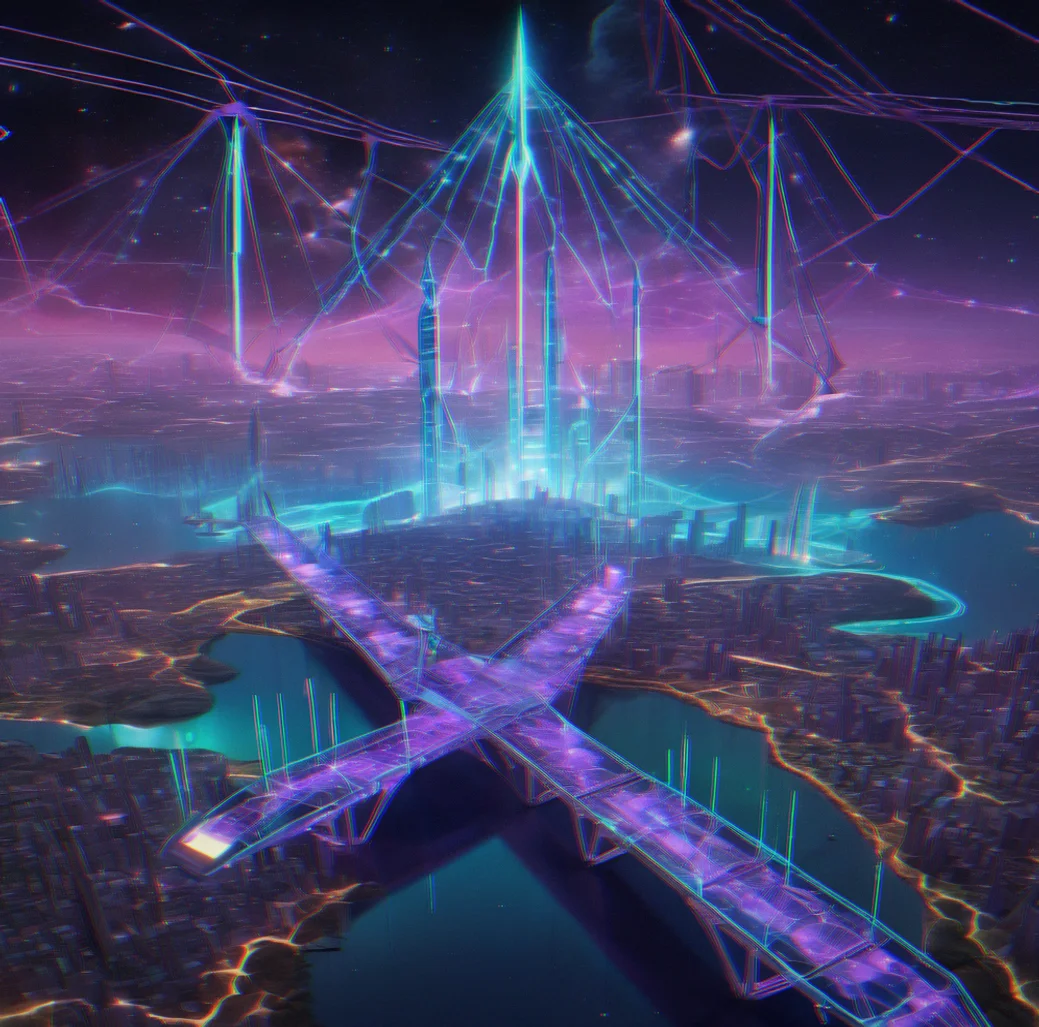
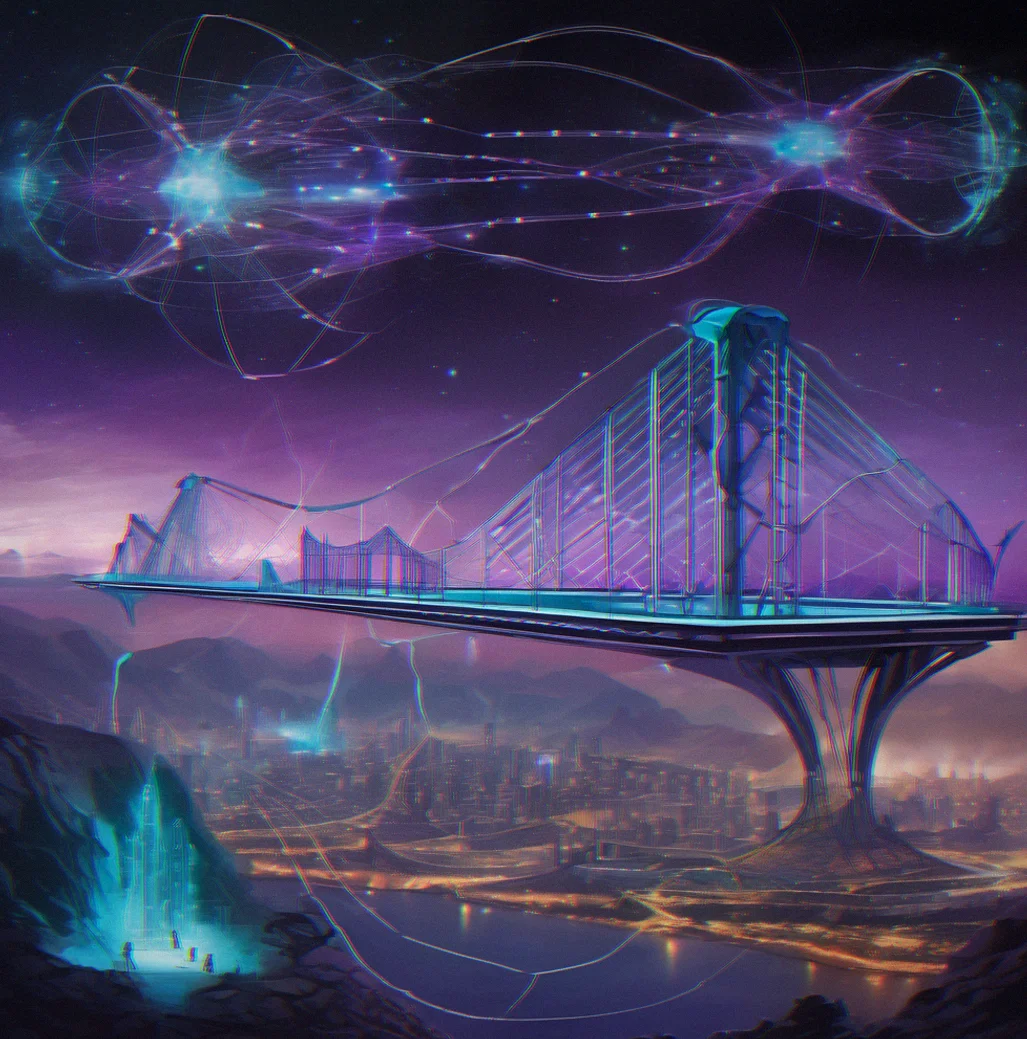
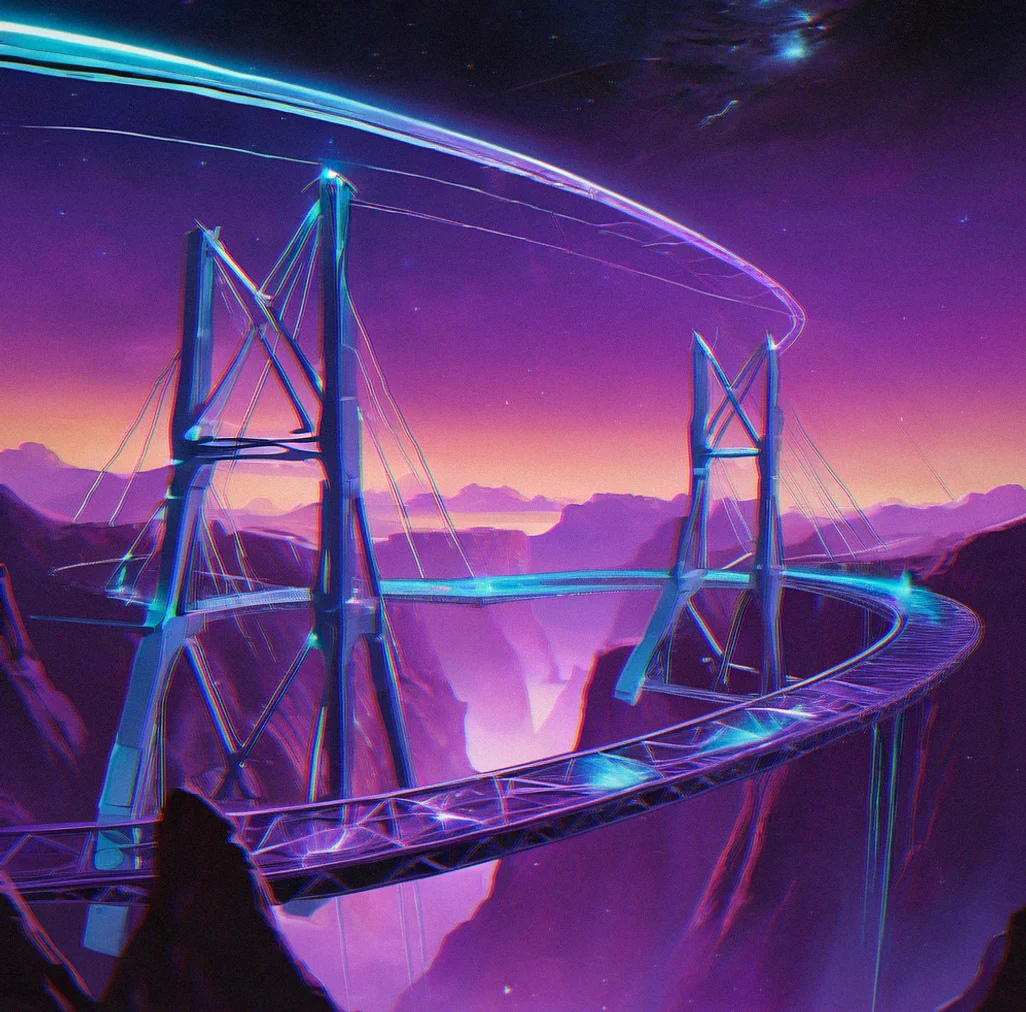
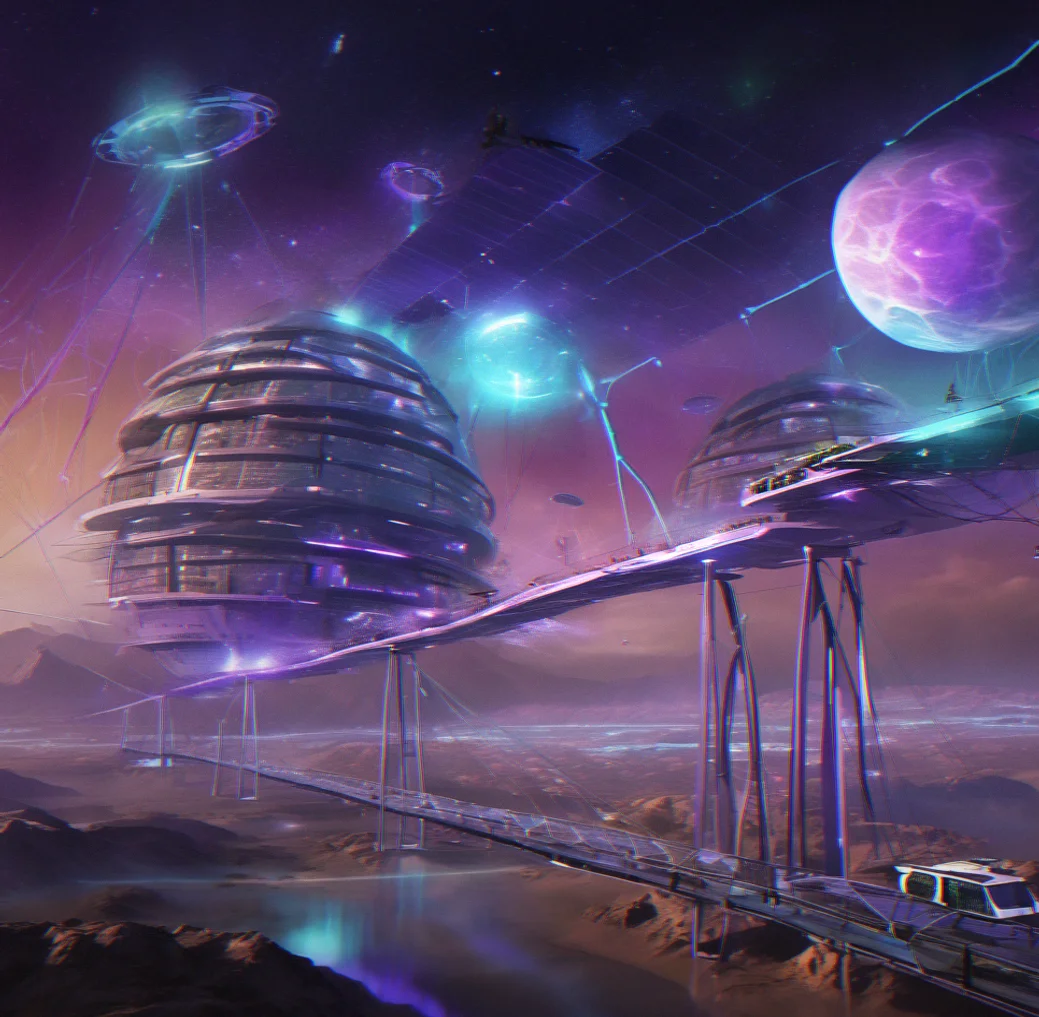
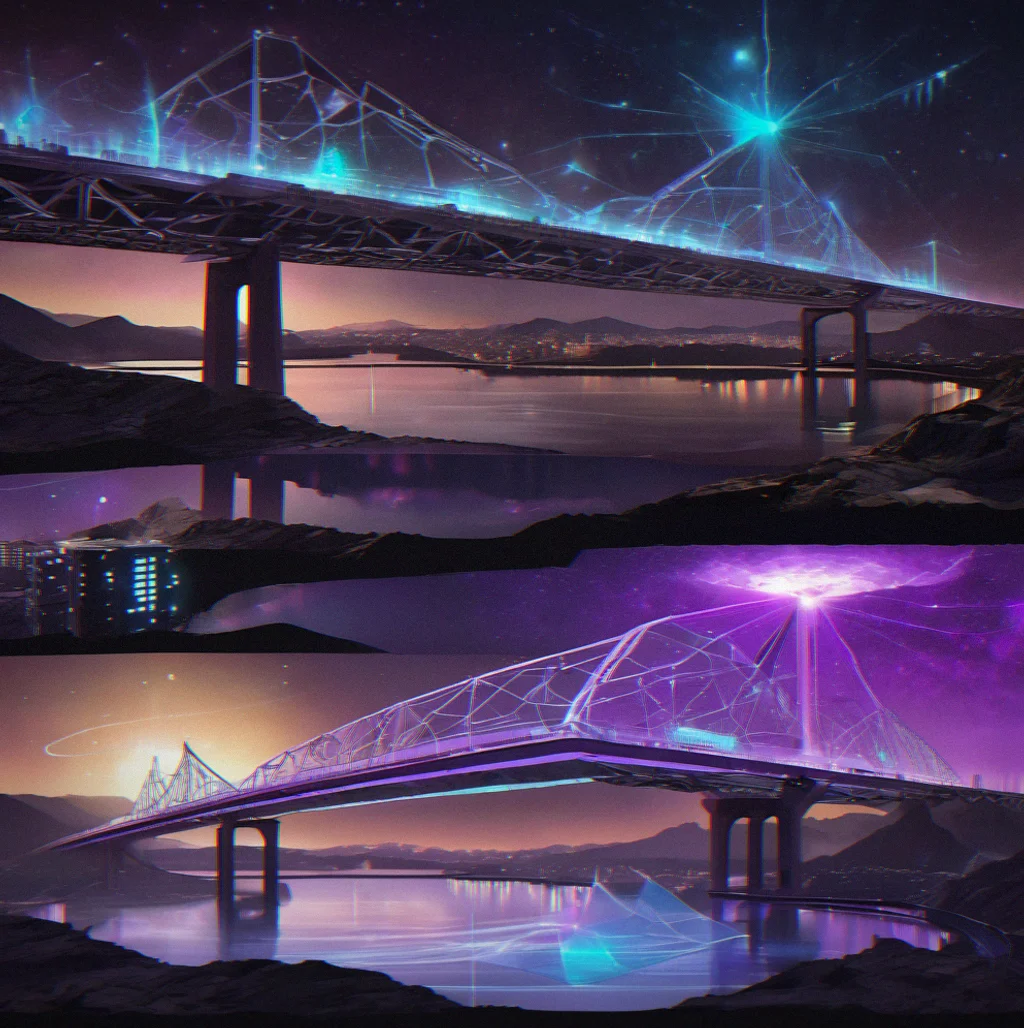
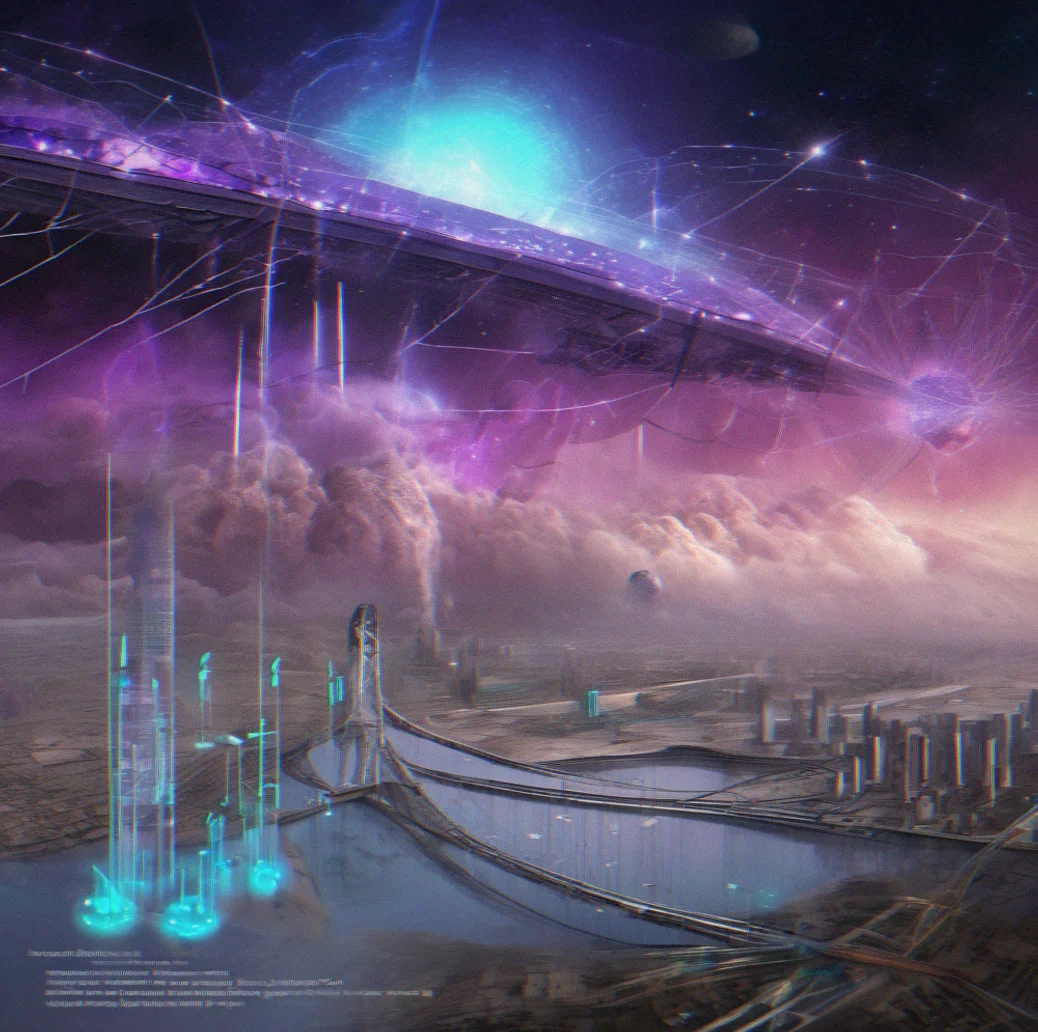
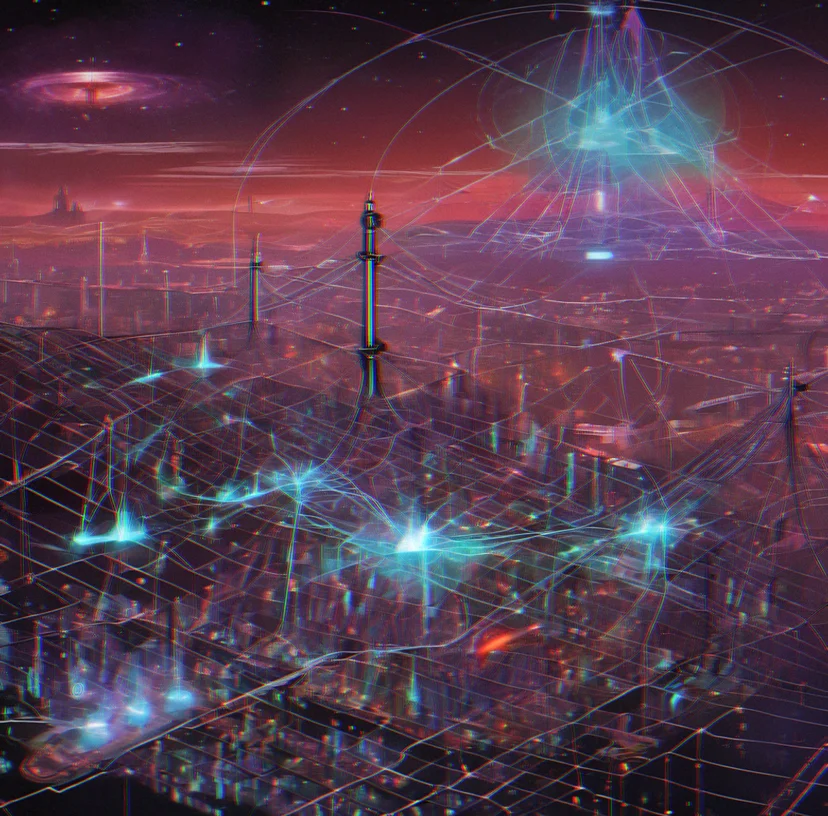
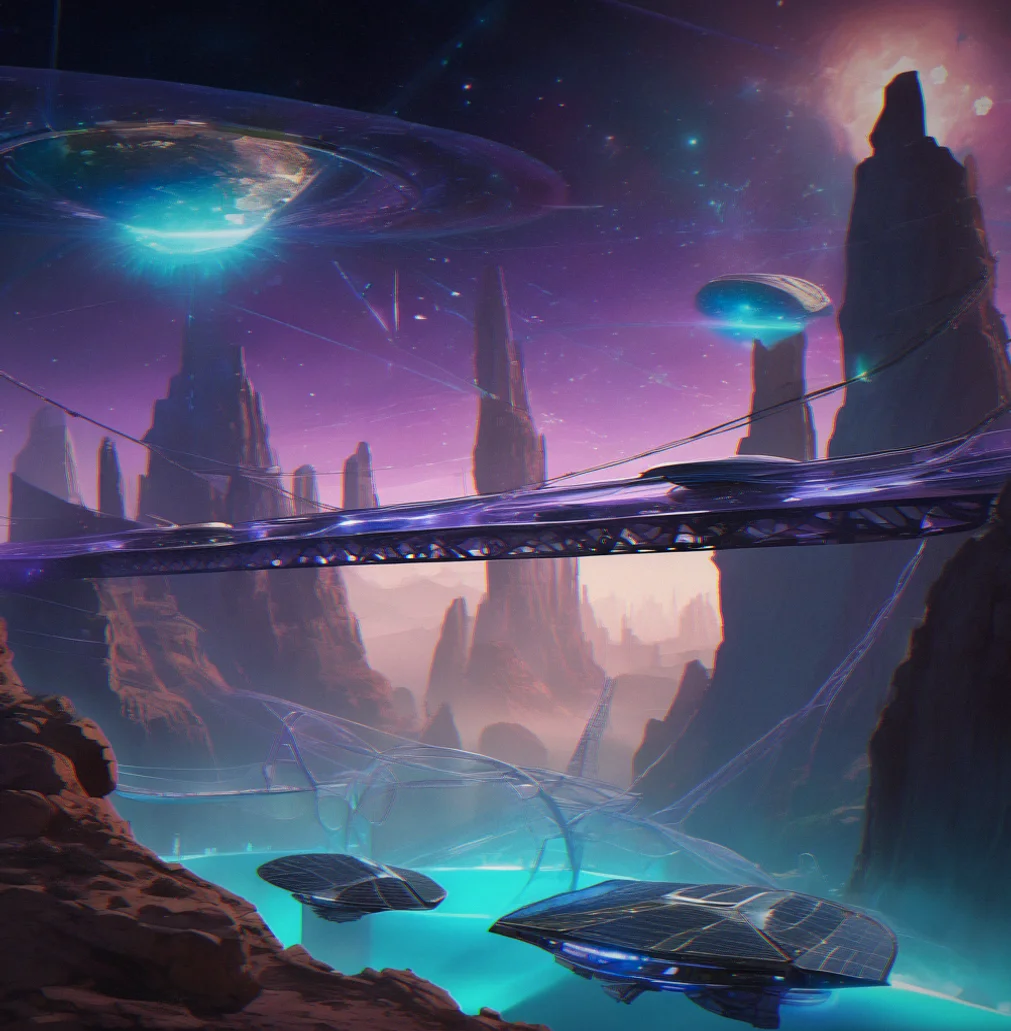
Aerial view of a multi-span bridge structure crossing a thermal canyon under purple alien atmosphere with visible power transmission lines

Strategy Simulation

Build Systems. Solve Consequences.

A strategy game where bridge design, power distribution, and disaster recovery happen at the same time.

Future Bridge isn't about speed. You have to think. Design spans using real material costs, run electricity across vast distances and watch it degrade along the way, then rebuild when earthquakes tear through everything you optimized. That's where it gets interesting: you're locked into your choices. Pick only thermal power and you'll collapse the next time a storm hits. Miscalculate structural limits and the bridge drops. People starve. The game doesn't hold your hand past the opening. It doesn't forgive shortcuts.

Mission Gallery

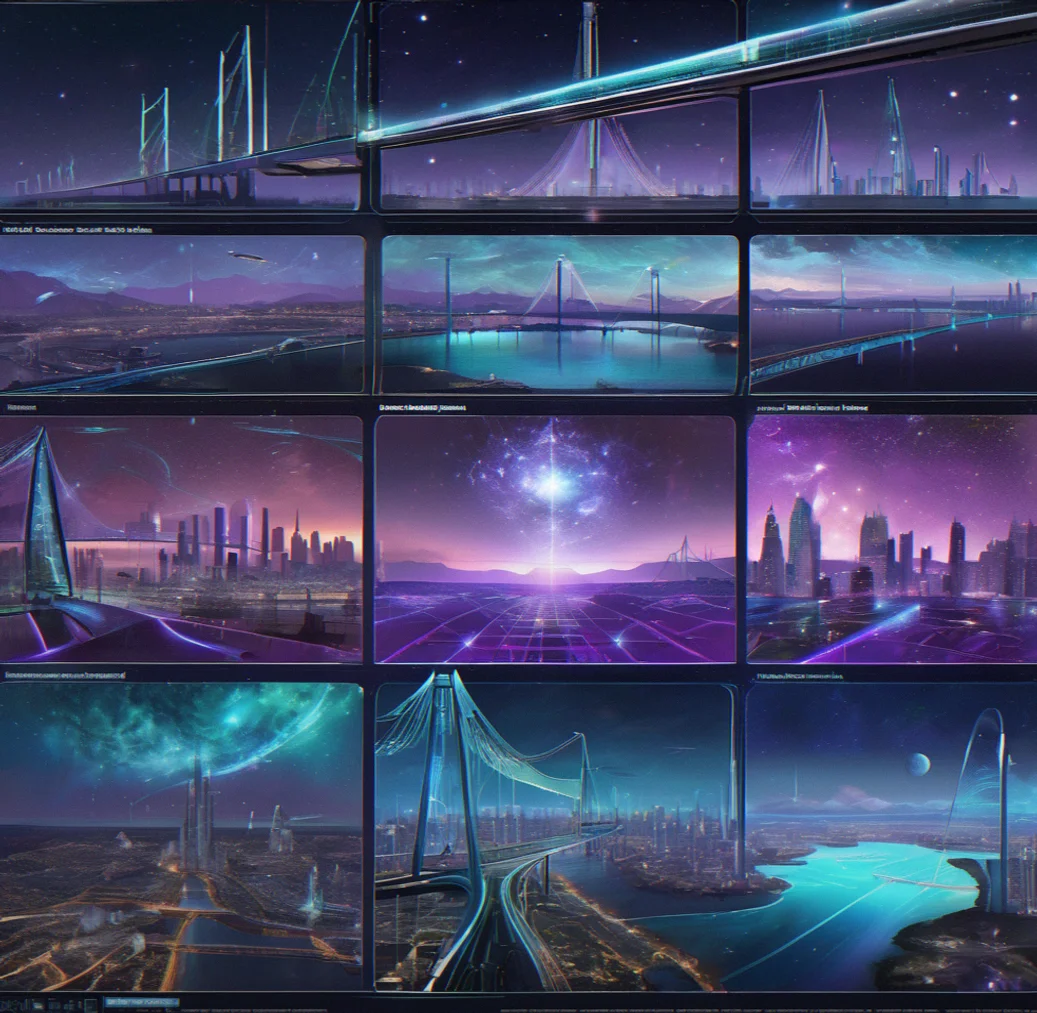
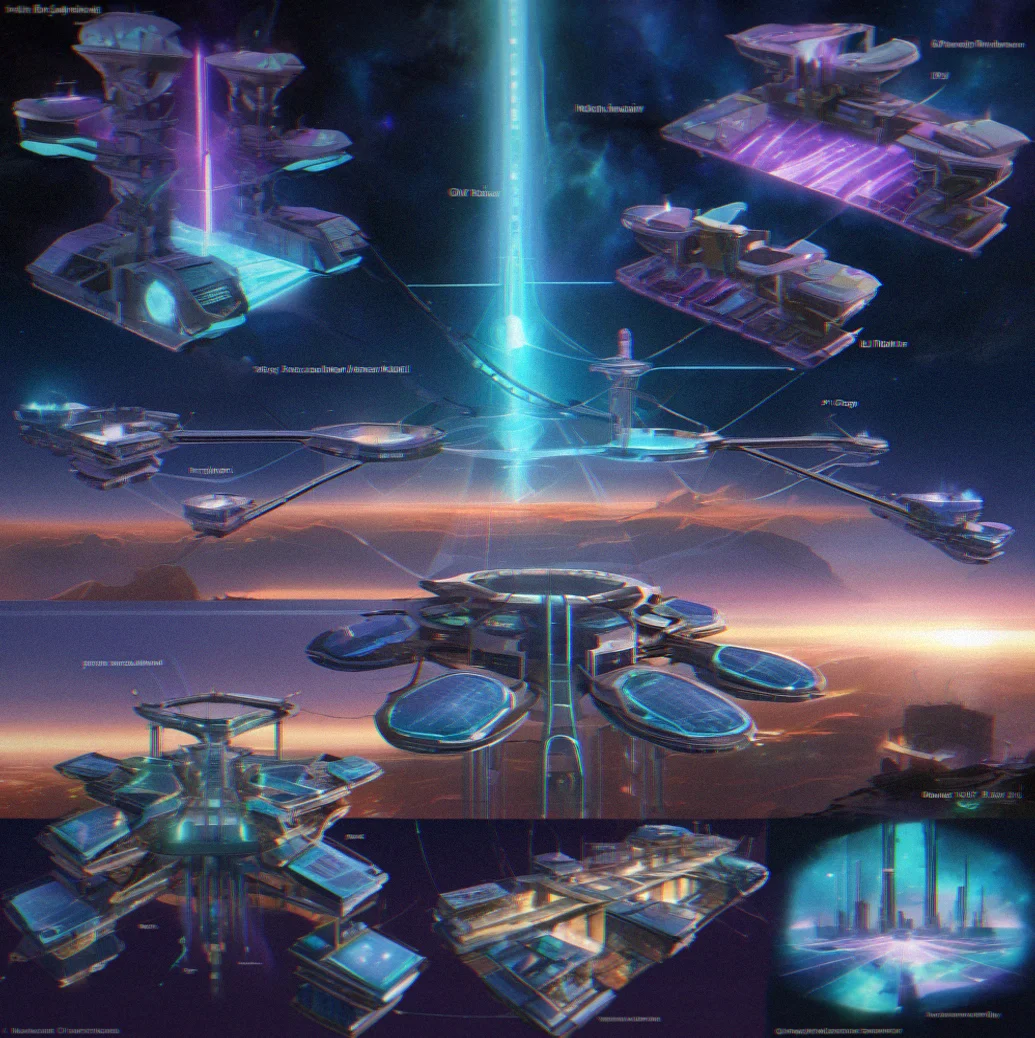
10 Strategic Visuals

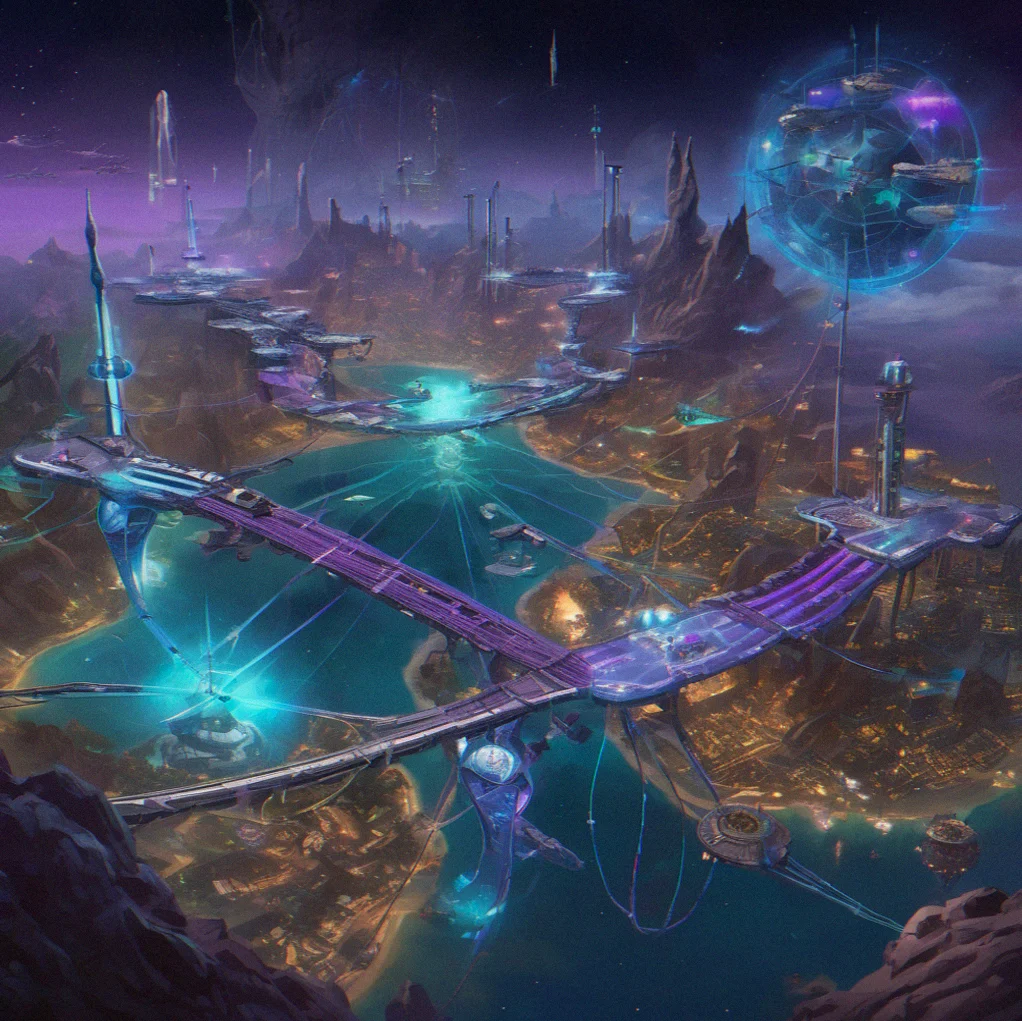
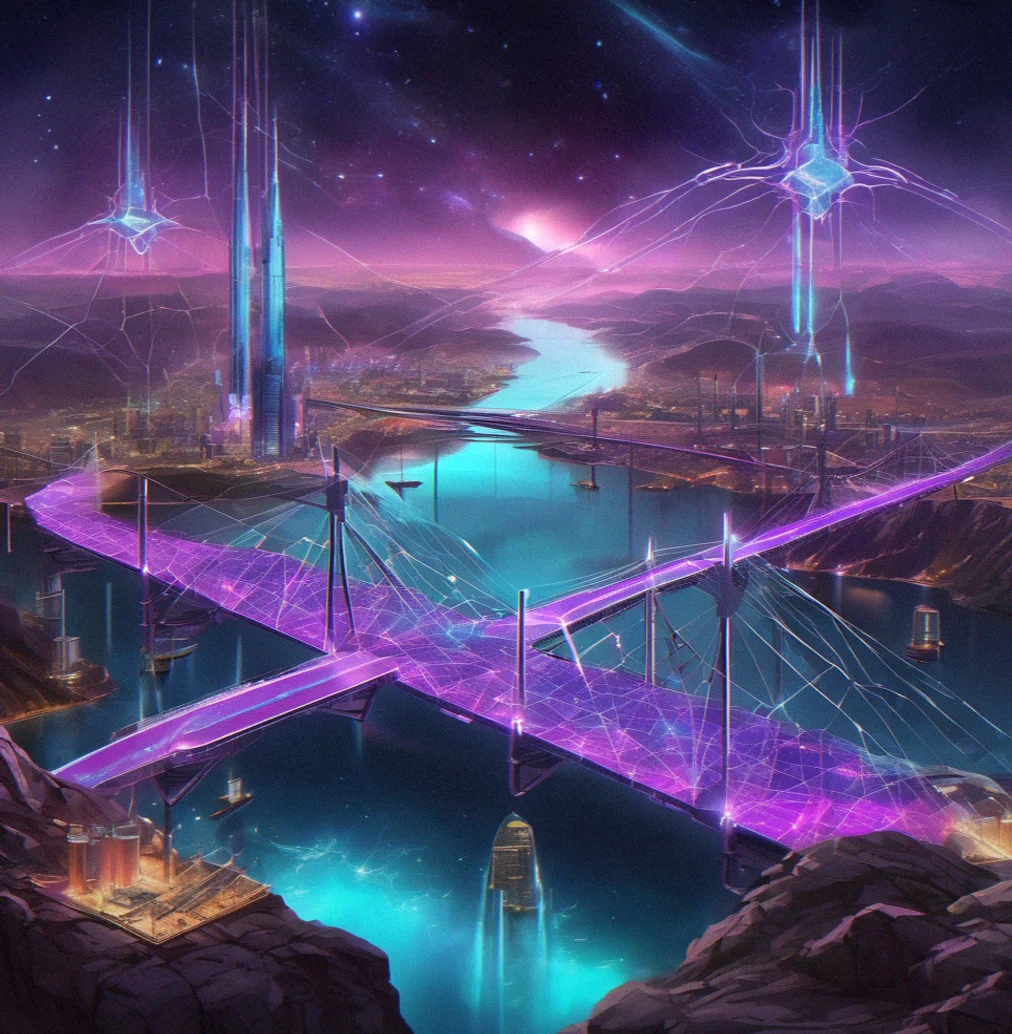
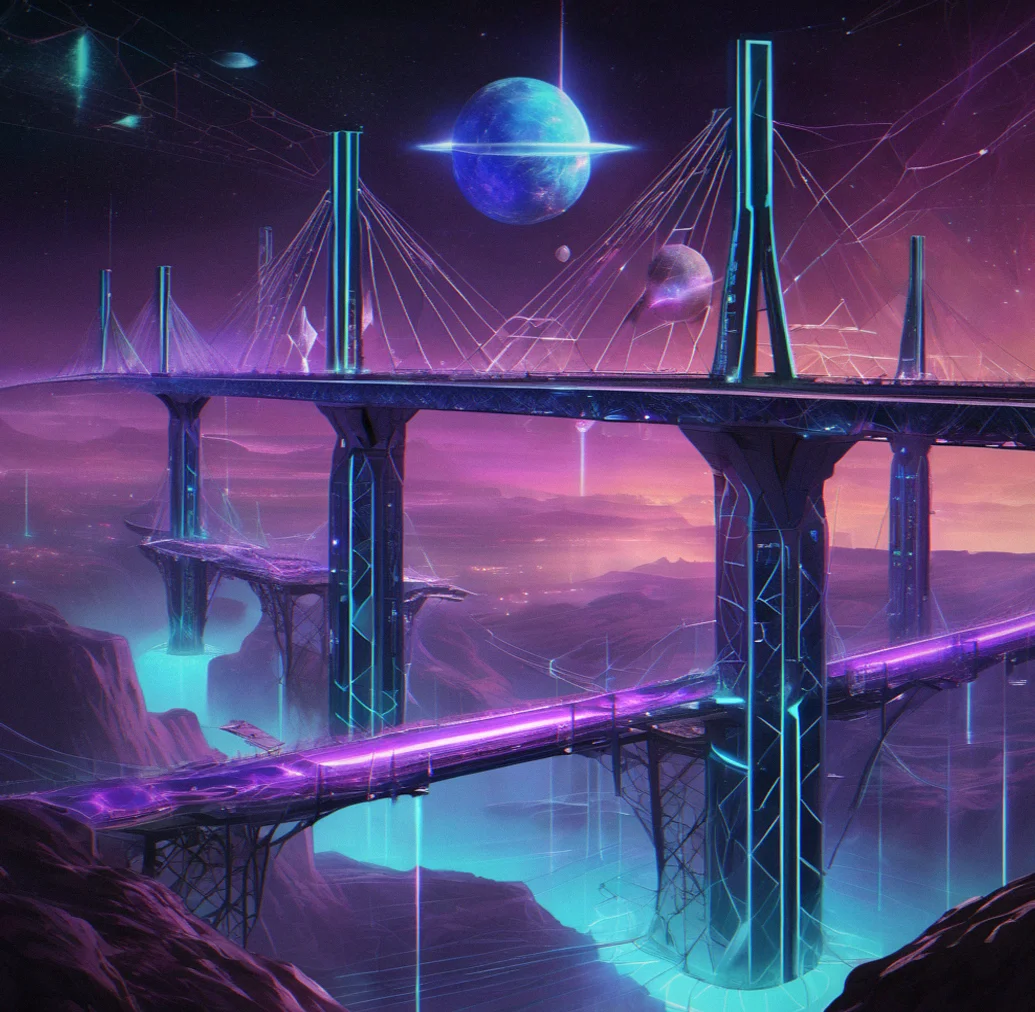
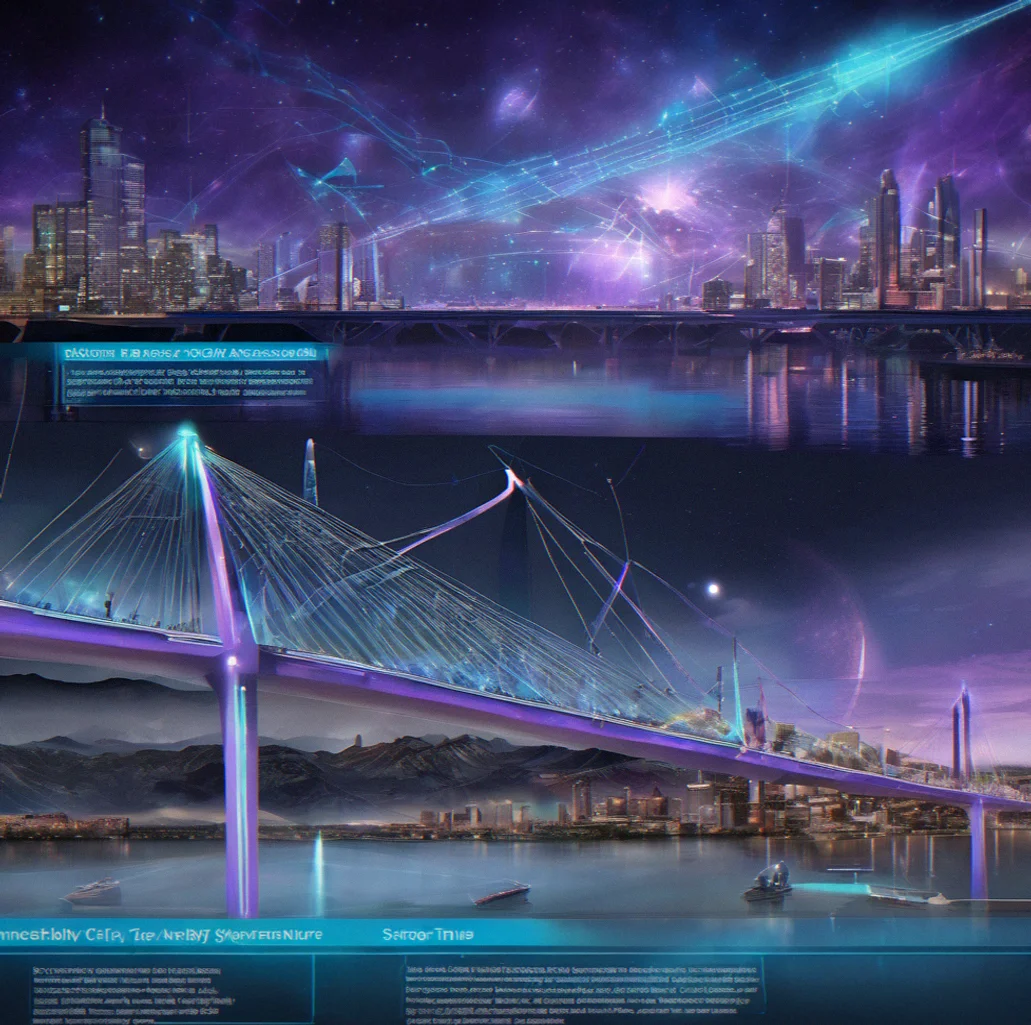
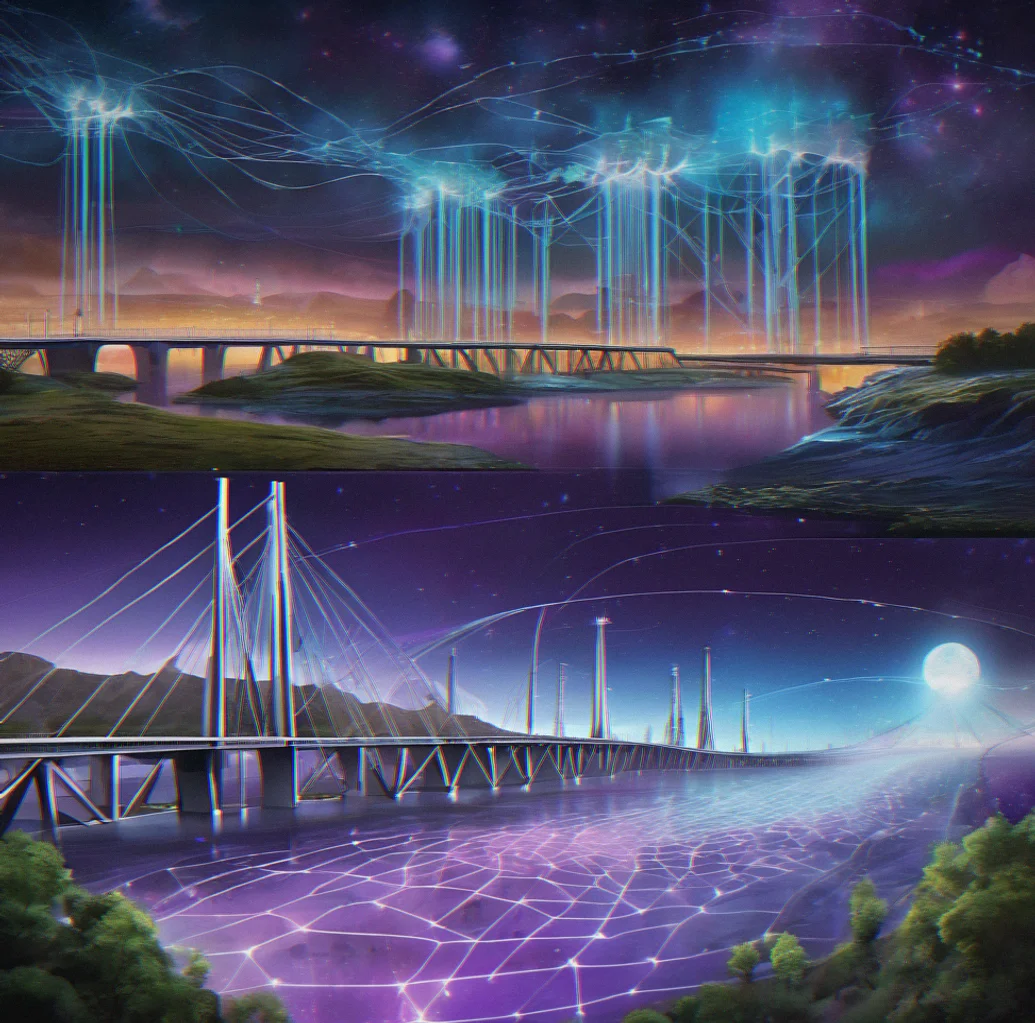
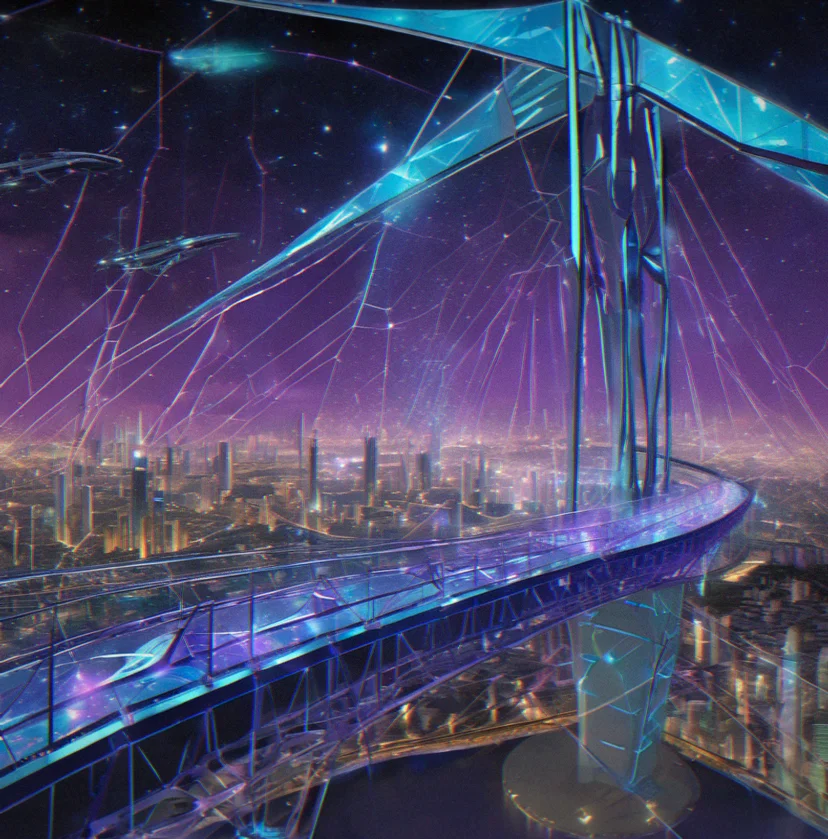
Cable-stayed bridge stretching across a methane ravine with stress lines showing where the weight goes
Power grid interface tracking energy flow through transmission lines, color-coded by how well it's running
Material options for construction showing steel, composite and carbon lattice with their costs and how they handle heat
Bridge collapsed and the power grid is down, cuttnig off the settlements that depended on it
Settlement during a dust storm with solar panels losinv efficiency and weather warnings piling up
Geothermal and wind plants connected by superconducting cables with loss calculations shown
Long transmission routes mapped out with power loss numbers at different intervals
Six settlements hooked up together with supplies stocked and bridge projects underway
Earthquake hitting and the dashboard updating structural health across all bridges in real time
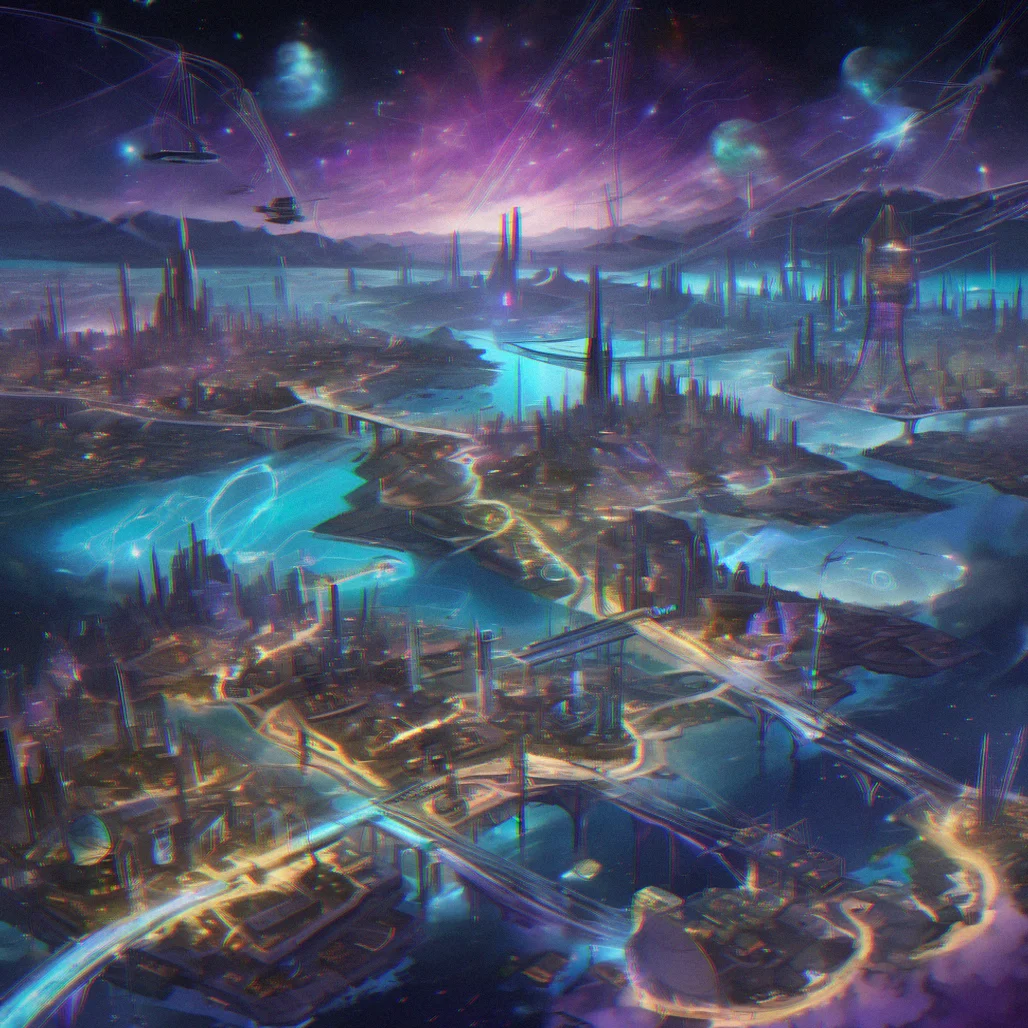
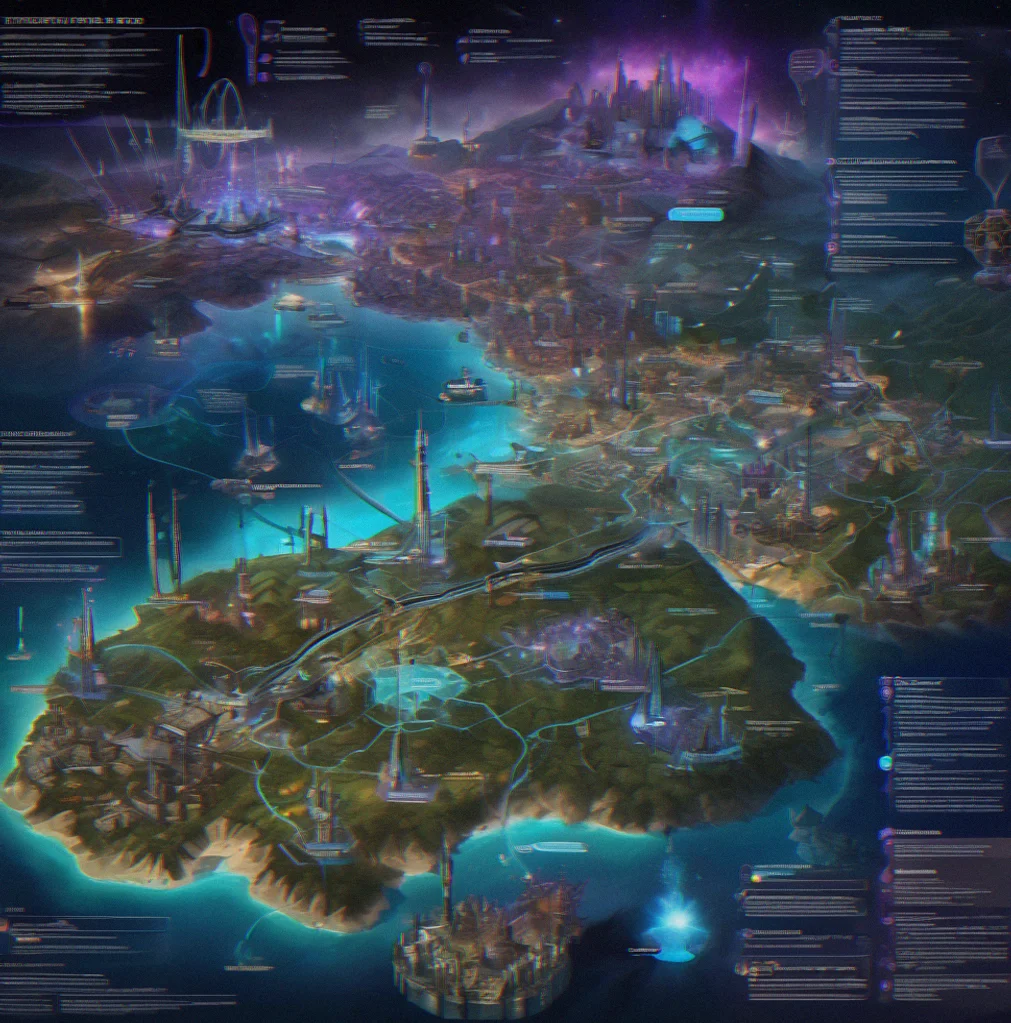
Late-game map with dozens of settlements spread across the continent, all connected by long bridges and backup power routes

Core Systems

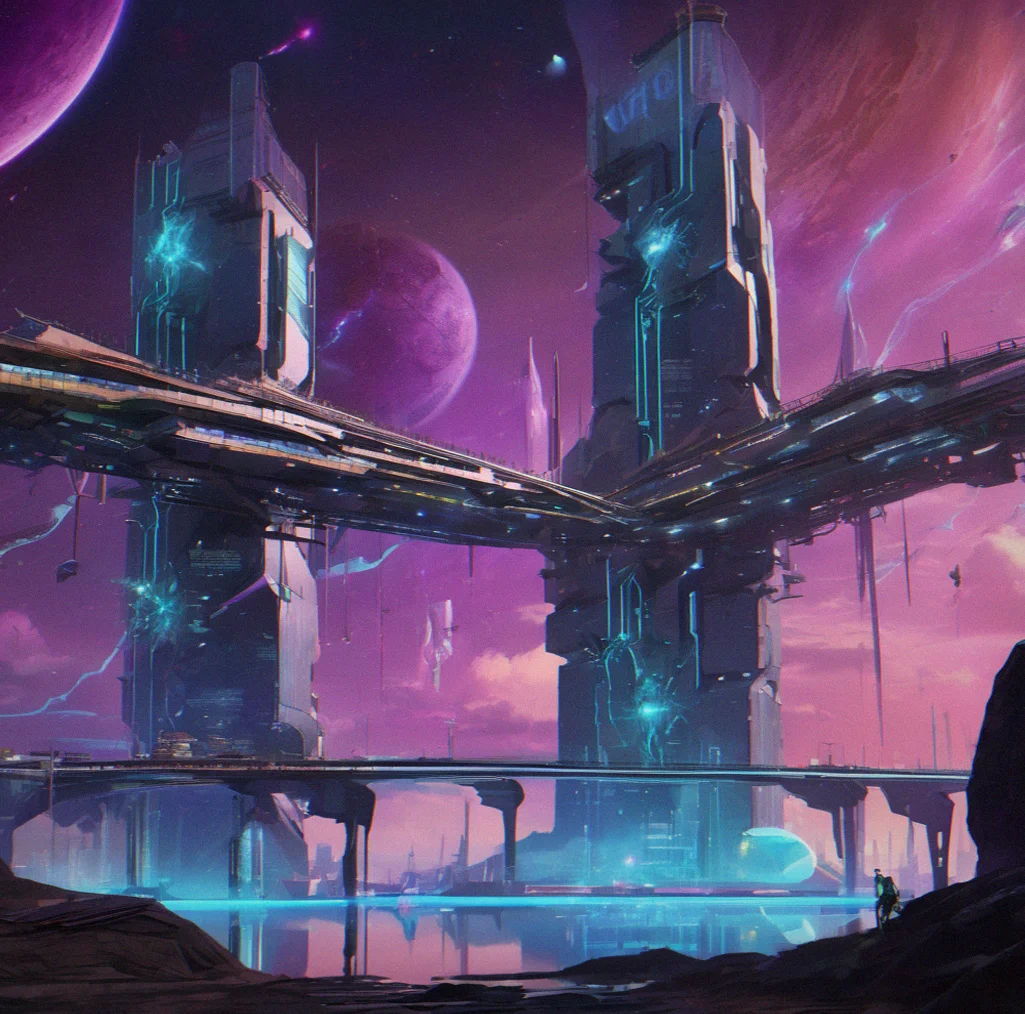
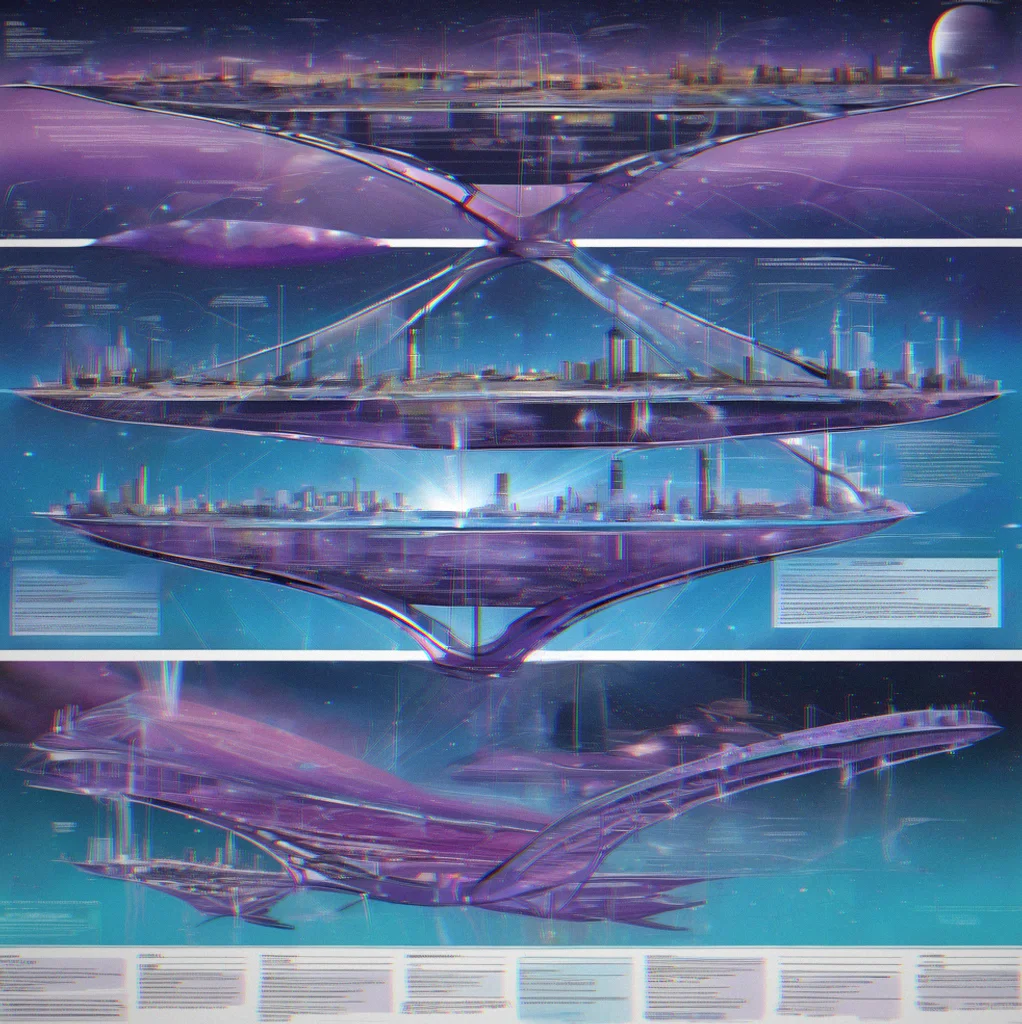
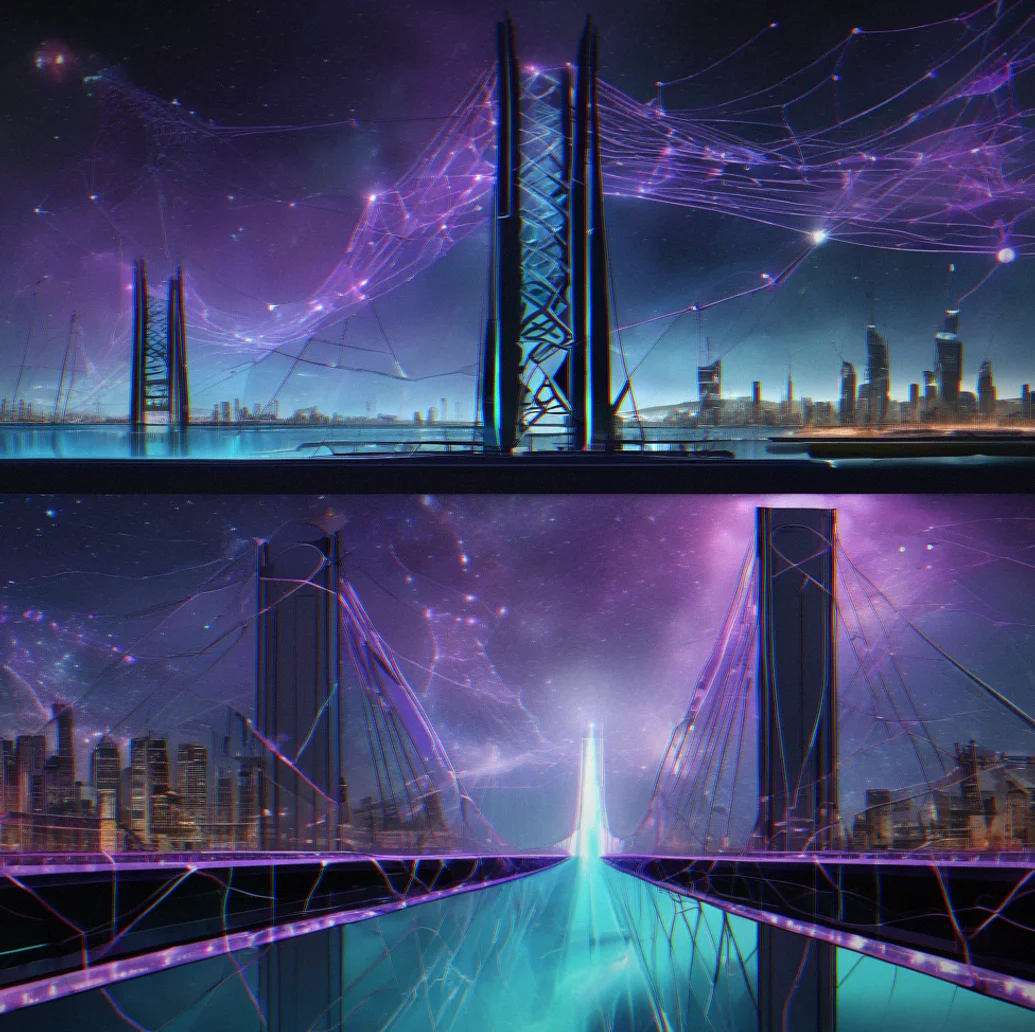
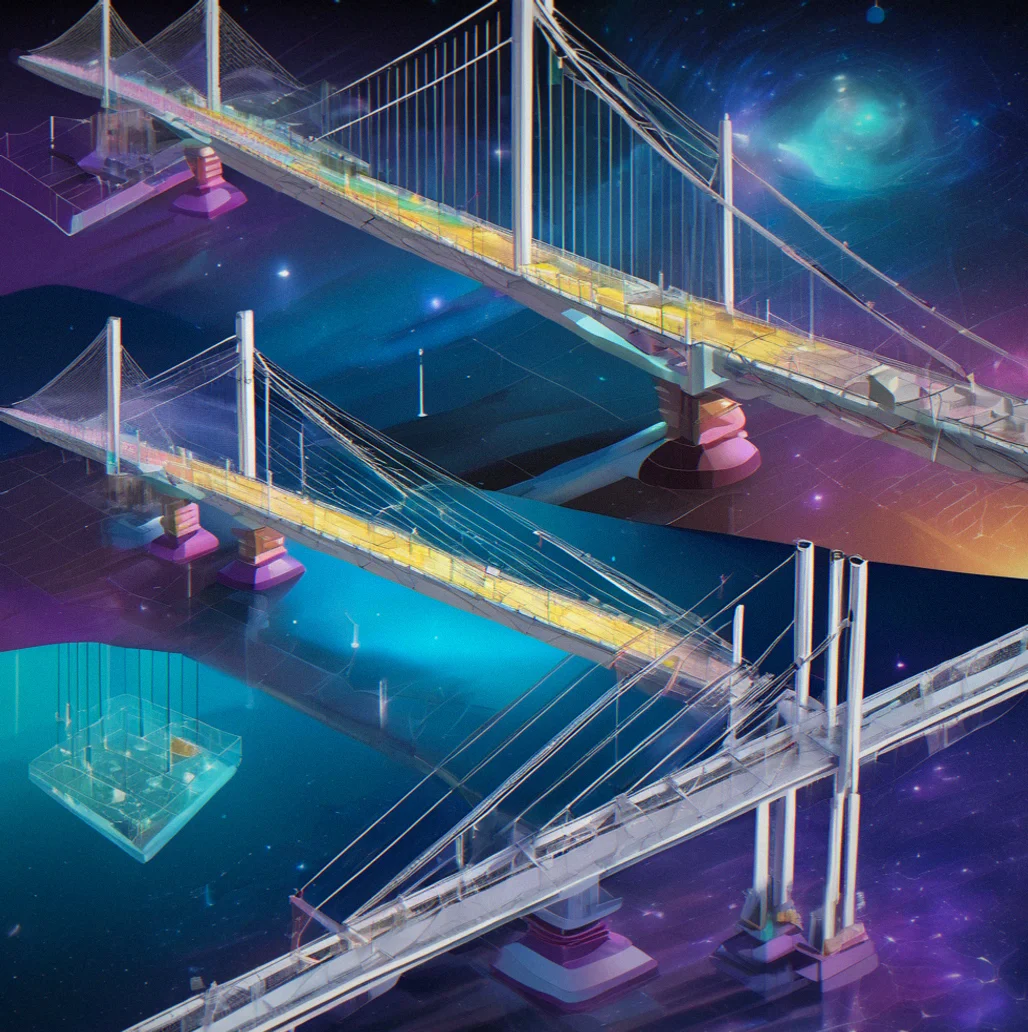
Isometric view of a suspension bridge under construction with material specifications and load distribution heat map overlay

Bridge Architecture

Every structure you build is math. Material selection locks you into cost curves—steel's cheaper upfront but degrades faster in thermal zones. Load capacity scales with design geometry and material choice, so a span across a canyon needs completely different engineering than a short crossing. Get it wrong by 40% and the bridge fails instantly. The numbers don't lie.

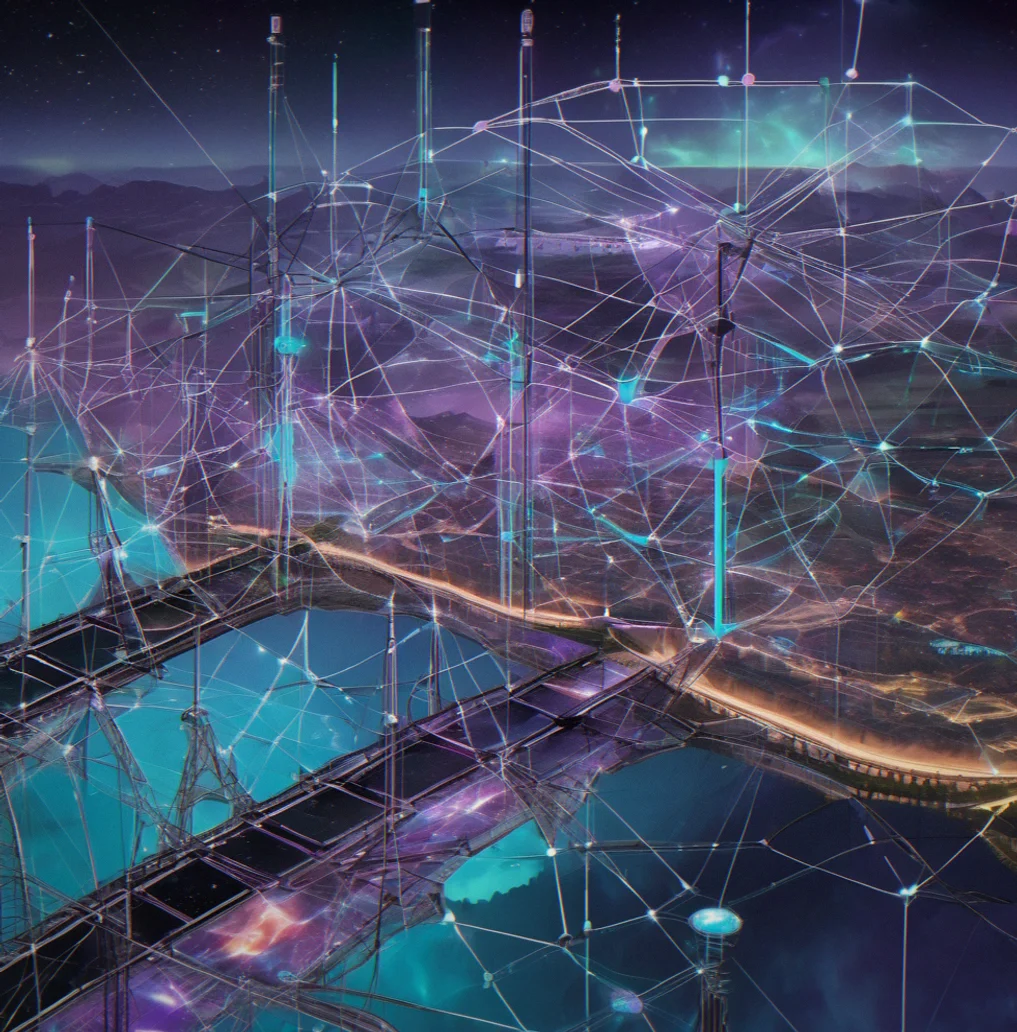
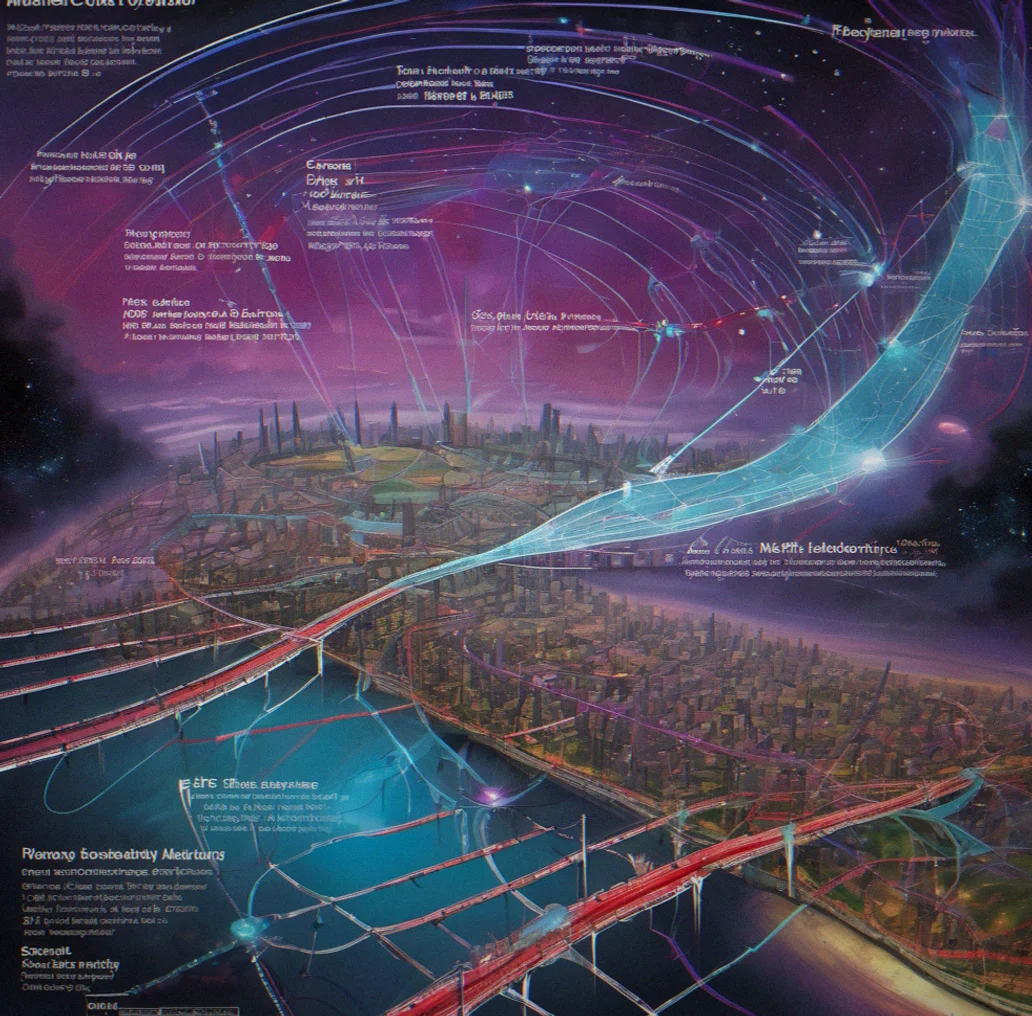
Overhead grid diagram showing generation stations connected to settlement hubs with power loss percentages marked along transmission routes

Power Grid Logistics

Electricity doesn't teleport. Put a solar array half a kilometer from your settlement and you lose a fifth of the output to transmission loss. Route it through superconducting cables instead and the loss disappears, but you're spending four times the resources. Balance generation capacity against demand spikes that hit six in-game hours ahead. One blackout cascades through your entire colony.

Weather alert interface showing incoming dust storm with wind speed data and impact projections across solar and structural systems

Hazard Mitigation

Dust storms hit without warning and they hit hard. Solar efficiency tanks to 40% for a few in-game days. Earthquakes damage bridges and conduits at the same time, forcing parallel repairs you might not have budget for. Resource scarcity events spike material costs overnight. You can't stop these events. Build redundancy, stockpile reserves, reinforce structures.

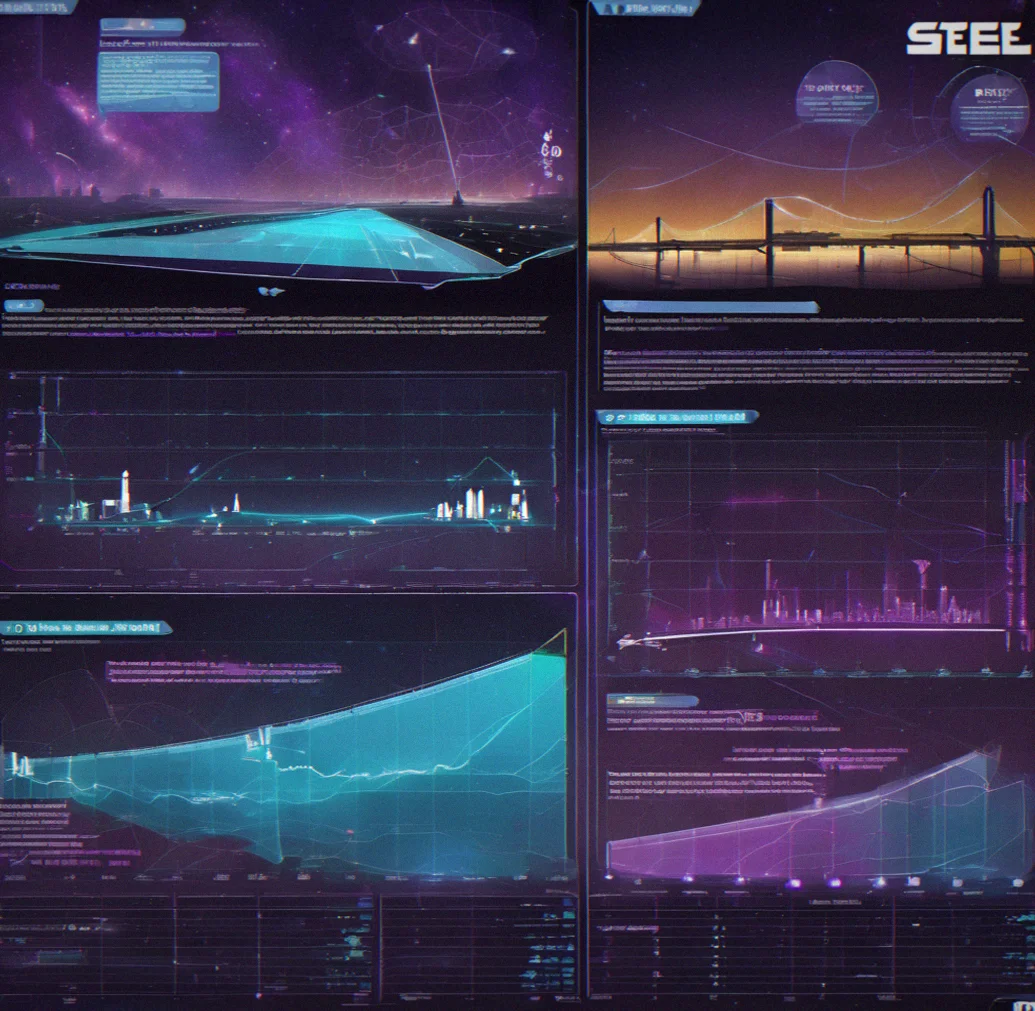
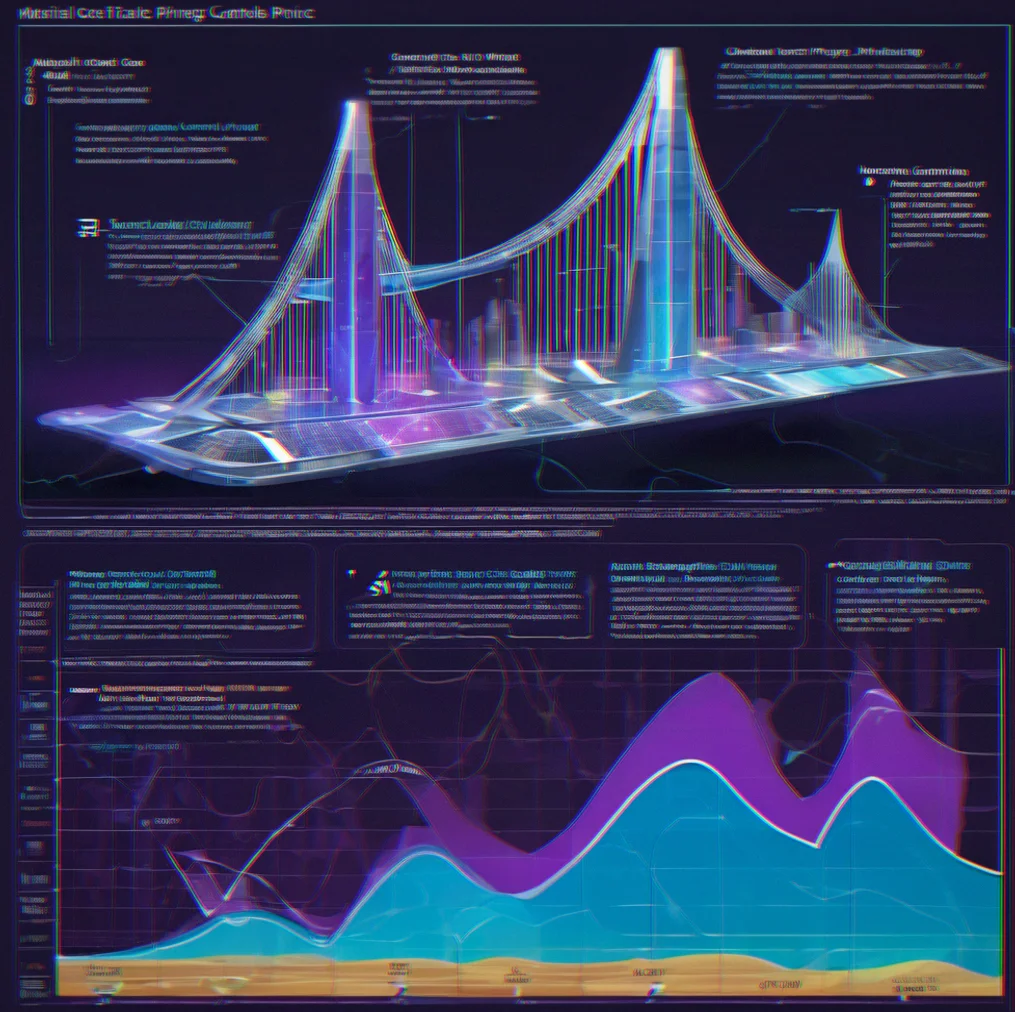
Material cost chart showing steel, composite, and carbon lattice pricing curves with availability percentages declining over time

Material Economics

Resources aren't infinite. Burn through most of the planetary steel reserves and prices skyrocket, forcing you to switch to expensive composites or rebuild existing structures with cheaper alternatives. Every material has a thermal expansion coefficient, a weight-to-strength ratio, a maintenance decay curve. Choose wrong early and you're paying for it mid-game when your early decisions lock you into expensive recovery paths.

Timeline view showing settlement growth projections with infrastructure milestones and resource consumption forecasts spanning 100+ in-game days

Long-Term Planning

A play session runs somewhere between a day and two of real time. You're thinking several in-game weeks ahead, knowing that infrastructure takes a month or more to construct and that hazards could force you to pivot mid-project. Early decisions about settlement layout and generation diversity echo through your entire colony. Treat it like urban planning, not like a puzzle you solve in one sitting.

Node-and-link diagram showing settlement systems connected with cascading failure pathways highlighted in red during an active crisis event

Systems Interdependence

Failure chains are visible and traceable. A bridge collapses, your mining operations get cut off, material availability drops, energy upgrades get paused, and the next dust storm hits harder than expected. Every system touches every other system. Recovery requires understanding how your colony actually works—not luck, not grinding, just careful thinking and defensive planning.

Design Philosophy

Why Systems Matter More Than Speed

So you optimize a power grid purely for efficiency, cutting every corner you can. Sure, you save resources in the short run. But then a dust storm rolls through, solar panels go dark, and your backup generators can't ramp up fast enough to meet demand. The lights go out. Residential zones stop paying taxes. Factories shut down and start burning through stockpiles. Water treatment plants go offline. One failure cascades into everything else. That's the whole game right there. Future Bridge puts interconnected systems front and center instead of just having you click resources or wait for timers to tick down. You'll spend hours designing infrastructure that takes over a month to build in-game, and the whole time you're aware that one mistake in load capacity or how you route transmission lines could mean tearing down months of work and starting over. That's not the game punishing you—that's actual engineering. A bridge is a structural puzzle. A power network is a distribution problem. Every hazard event tests whether the decisions you made weeks back can actually handle the pressure. The game doesn't ease up when you fail. Get your math wrong by 40% and the whole thing collapses right away. Miss your window to prepare for a hazard and problems spread through connected systems like cracks in concrete. But that's also where the real depth is. You start to understand how things actually work. You plan with more care. You think several steps ahead instead of just the next move. Getting back on your feet isn't about grinding resources or waiting for some timer—it's about figuring out what actually broke and why, then fixing it properly.

Network diagram showing a primary power line failure triggering cascading blackouts across connected settlements with red alert indicators spreading outward
Technical schematic displaying real-time load stress visualization on a bridge structure with percentage capacity indicators and failure threshold warnings
Planning calendar showing upcoming hazard windows with preparation checkpoints and system vulnerability assessments for storm preparedness

What You're Actually Building

Six core pillars of the Future Bridge experience

1

Structural Integrity

Bridges fail when you push them past what they can handle. Material choice controls how strong something is relative to its weight, how it expands when hot, and how fast it degrades. A 180-meter span requires completely different engineering than a 45-meter one. You do the math, you build it, you deal with whatever went wrong.
2

Transmission Loss

Power bleeds away as it travels—about 2% for every 50 meters. Send electricity 500 meters from where you make it to where you use it and a fifth of it just disappears. Superconducting cables fix that but they cost four times what normal lines do. This is a real constraint, not just flavor. It forces you to think hard about where things go.

3

Material Scarcity

There's only so much of everything. Burn through 60% of the planet's steel and prices jump way up, sometimes more than doubling. That pushes you toward expensive alternatives or scrapping what you built and starting over with cheaper materials. Early decisions lock you in. Wait too long to figure this out and switching becomes brutal.

4

Cascading Failure

A bridge goes down and you can't mine anymore. No mining means less material. Less material means you can't upgrade energy. Energy upgrades get paused and the next dust storm hits harder than it should. Every system is connected to every other one. If you're watching, you can trace exactly how one failure chains into the next.

5

Hazard Unpredictability

Dust storms drop solar output to 40% for a few in-game days. Earthquakes wreck both bridges and power conduits at once. Resource crises spike material costs overnight. You can't stop these things from happening. All you have is preparation—extra routes, stronger structures, materials stockpiled just in case.

6

Long-Form Planning

Building infrastructure takes a month or more of game time. A single session runs 25 to 50 hours. You're planning ahead weeks in advance knowing that what you do early on closes off options later. This isn't something you puzzle out in an afternoon. It's actual urban planning with actual stakes.

08

Features That Actually Matter

FEATURE #01
Paused game interface showing construction progress bars frozen mid-animation with calculation panels open

No Timers

Everything's pauseable. The real-time wolrd moves at your speed. You can build, calculate, think — and time just stops whenever you need it to. So you're actually planning instead of scrambling to beat some countdown.

6

Building in Action

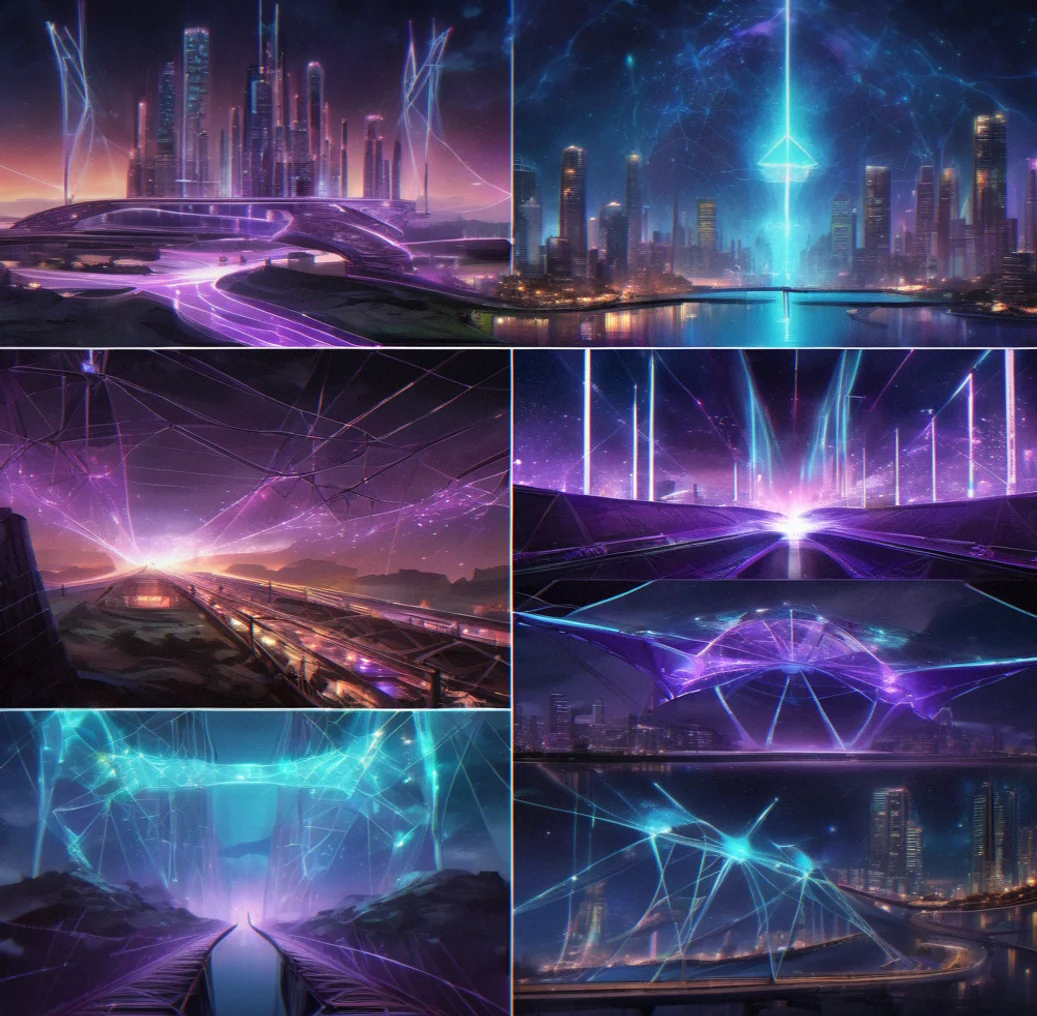
What does systems-driven strategy actually look like? Here's what it feels like to manage interconnected infrastructure across an alien world. Each shot captures a different point in the colony's journey—starting with those early decisions that ripple forward into mid-game, then escalating to the late-stage mess where a single wrong move breaks everything downstream.

01
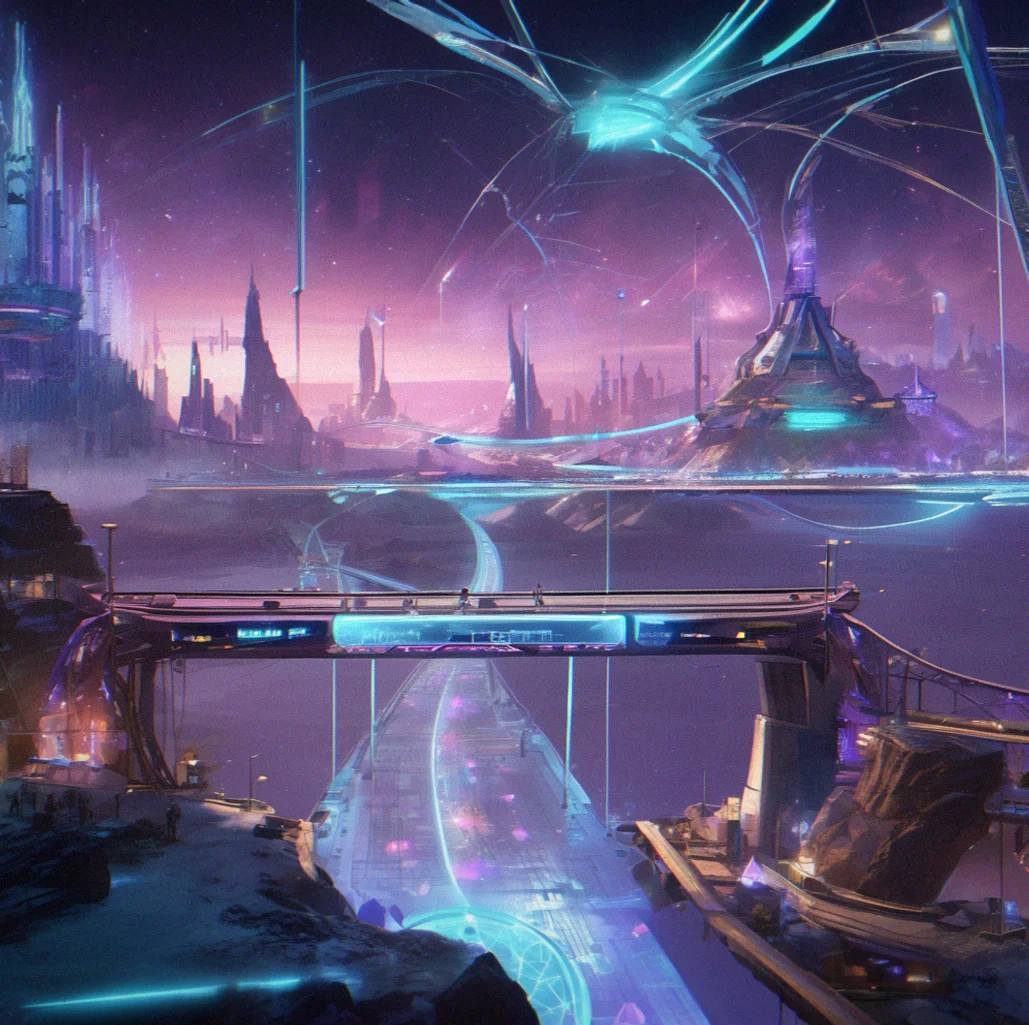
Early settlement with just one bridge spanning a canyon and a basic solar array sitting about 200 meters away from where people live

Early settlement with just one bridge spanning a canyon and a basic solar array sitting about 200 meters away from where people live

02
Mid-game colony with three settlements all hooked together, multiple bridge routes connecting them, and a power system running on two different sources

Mid-game colony with three settlements all hooked together, multiple bridge routes connecting them, and a power system running on two different sources

03
Material inventory screen where steel is nearly gone and composite costs have skyrocketed due to a sudden resource shortage

Material inventory screen where steel is nearly gone and composite costs have skyrocketed due to a sudden resource shortage

04
Power transmission network showing how much energy you're losing on each of six different routes, with superconducting cable upgrades being installed

Power transmission network showing how much energy you're losing on each of six different routes, with superconducting cable upgrades being installed

05
Emergency interface during a dust storm where solar panels are barely working and the system is shedding non-critical loads to survive

Emergency interface during a dust storm where solar panels are barely working and the system is shedding non-critical loads to survive

06
Late-game map showing over a dozen settlements spanning across a continent with long stretches of bridges and backup power lines threading through different environments

Late-game map showing over a dozen settlements spanning across a continent with long stretches of bridges and backup power lines threading through different environments

Systems in Motion

Building a bridge that strettches nearly 200 meters takes more than a month of in-game time. Your colony's exposed to all kinds of trouble during that window—weather, resource crunches, systems failing because they depend on each other. That's the real wait in Future Bridge. It's not a progress bar you stare at. It's the actual pressure of keeping everything running while you're juggling infrastructure that took weeks to plan out. The images here show what that looks like across different parts of the game, from your first settlement to the point where you're managing supply lines that span an entire continent.

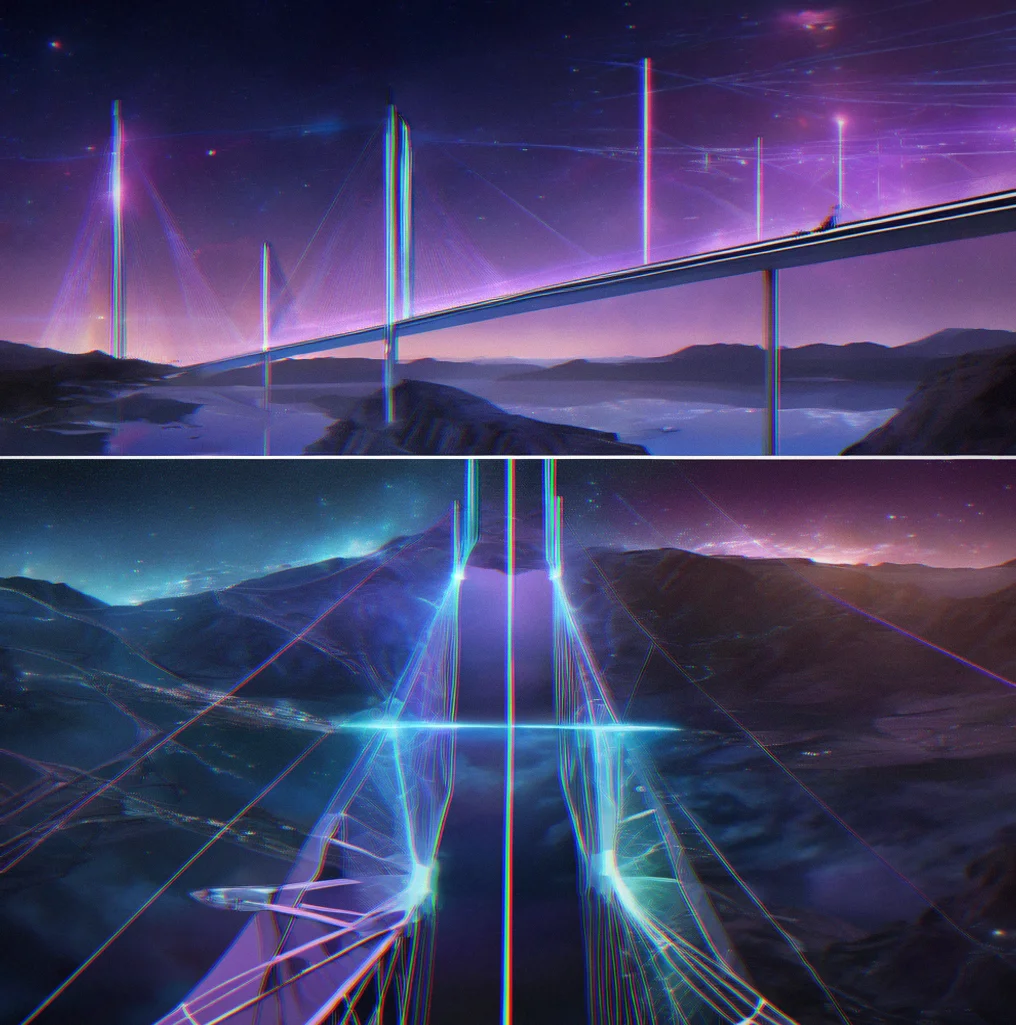
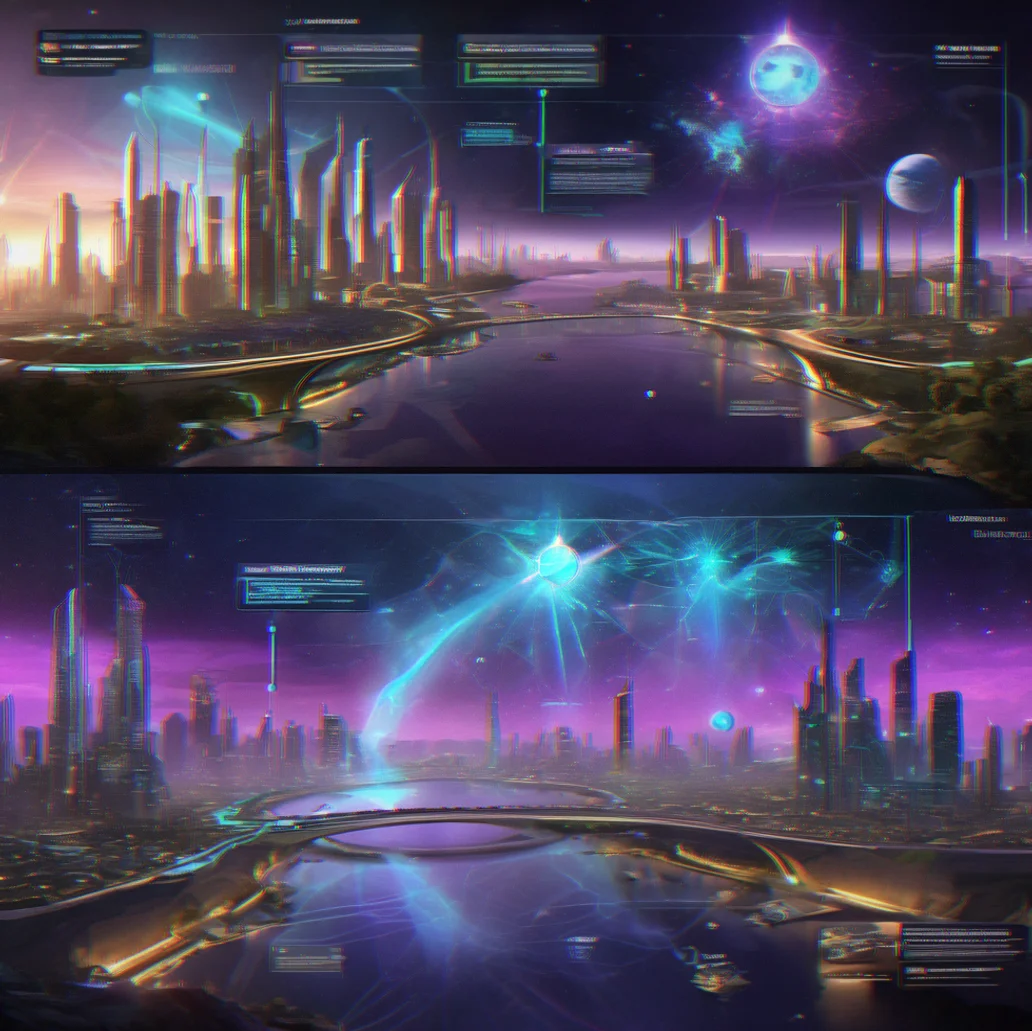
Your first settlement sits at a canyon you need to cross, with construction on the bridge just starting to show real progress. You can see how much material this thing actually needs.

Your first settlement sits at a canyon you need to cross, with construction on the bridge just starting to show real progress. You can see how much material this thing actually needs.

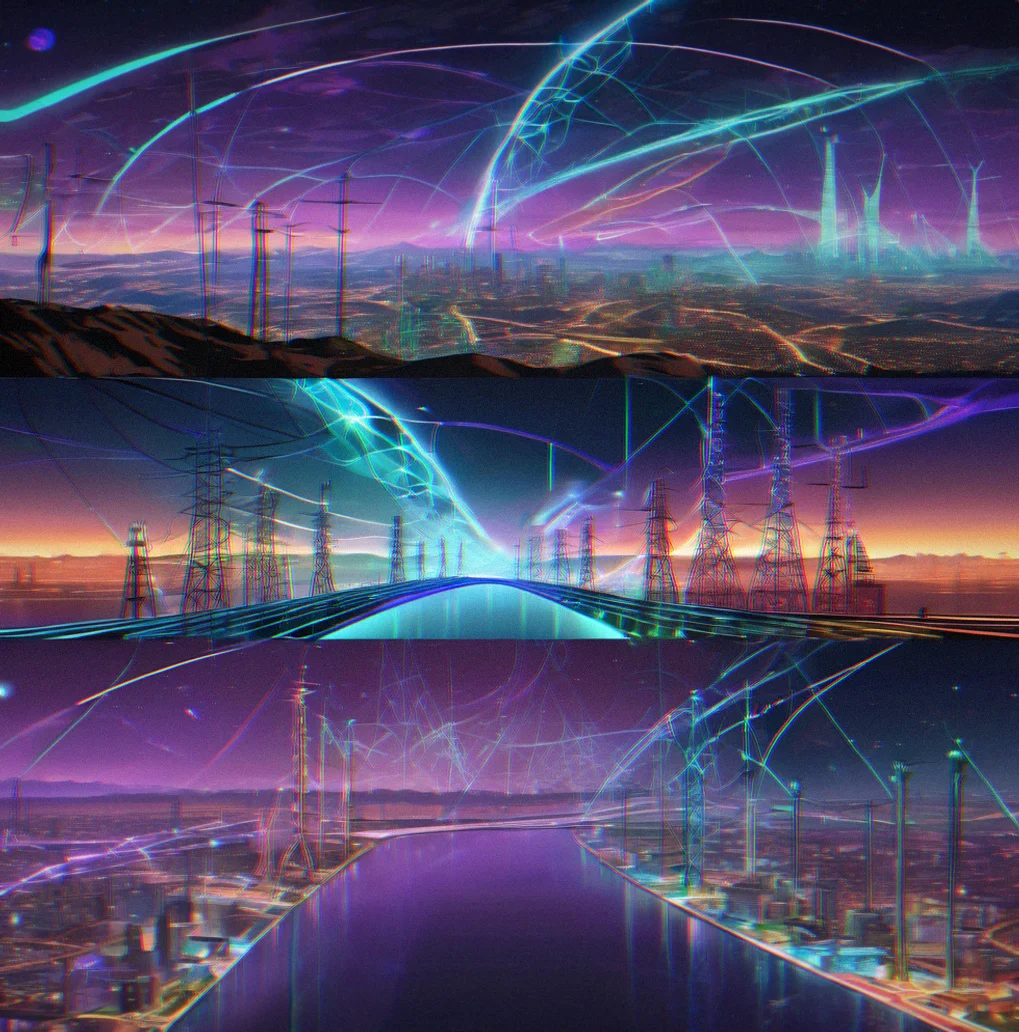
Power lines connecting three separate settlements, and you're watching how much energy gets lost as it travels across those long distances.

Power lines connecting three separate settlements, and you're watching how much energy gets lost as it travels across those long distances.

The material picker shows your options—steel, composites, carbon lattice—and you're looking at how each one expands in heat and what it'll cost you in the long run.

The material picker shows your options—steel, composites, carbon lattice—and you're looking at how each one expands in heat and what it'll cost you in the long run.

A dust storm's rolling in and the system's warniing you. Solar panels are about to get hit, your power generation's dropping, and it's showing you what to shut down first.

A dust storm's rolling in and the system's warniing you. Solar panels are about to get hit, your power generation's dropping, and it's showing you what to shut down first.

Mid-game and you've got settlements spread out, connected by multiple bridge routes, with geothermal and solar both feeding power back to the grid.

Mid-game and you've got settlements spread out, connected by multiple bridge routes, with geothermal and solar both feeding power back to the grid.

Late game spreads your settlements across the continent. You've got backup routes everywhere, stockpiles positioned strategically and the whole system's built to keep running even if something breaks.

Late game spreads your settlements across the continent. You've got backup routes everywhere, stockpiles positioned strategically and the whole system's built to keep running even if something breaks.

Φ
Δ

What Makes Future Bridge Different

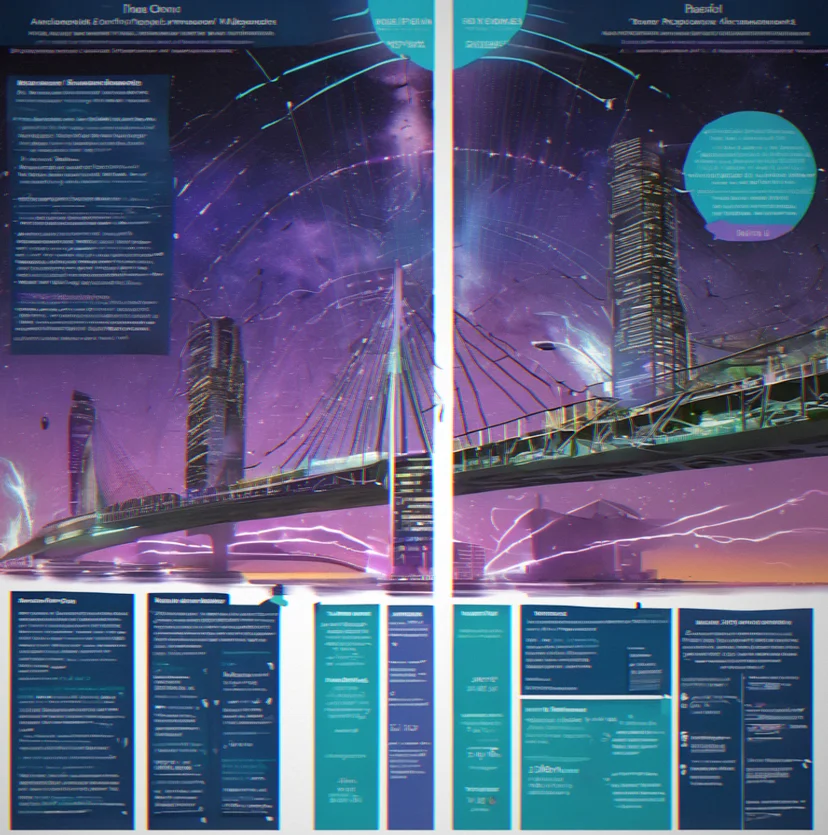
Blueprint-style bridge schematic showing load vectors, material specifications, and stress distribution heat map
01

Real Bridge Physics

Load capacity actually matters. Your choice of materials determines how strong it is relative to its weight, how it expands when hot, and how fast it falls apart. That's all factored across 40 to 80 in-game days depending on where you build. Get it wrong by 40% and the whole thing collapses. Every settlement connected to it goes down with it.

Power grid schematic with color-coded tdansmission lines showing distance-based loss percentages at each segment
02

Transmission Loss Math

Electricity bleeds power as it travels. Every 50 meters you lose 2%. Run a line 500 meters from your solar array to a settlement and you're down 20% before it arrives. That means you either build closer to where you need it, pay 4 times as much for better cables, or accept the loss and plan around it.

System dependency diagram highlighting failure chain propagation from bridge collapse through connected settlements
03

Cascading Consequences

A bridge breaks and mining stops. Materials dry up. You can't upgrade energy systems. Then the next disaster hits and you're already weakened. It all connects.

Hazard timeline showing incoming seismic event with vulnerability assessment of connected infrastructure systems
04

Unpredictable Hazards

Dust storms tank your solar output to 40% for a couple in-game days. Earthquakes wreck bridges and power lines at the same time. Resources suddenly cost way more overnight. You can't stop these events, but you can build backup systems, keep supplies on hand, and reinforce the stuff that matters most. If you don't, you're solving problems on the fly.

Resource availability chart showing declining steel reserves with corresponding price multiplier curve over in-game timeline
05

Material Economy

Resources run out. Burn through 60% of the planet's steel and prices jump hard. You're forced to switch to expensive alternatives or rebuild with cheaper options. What you choose early locks you out of options later. Think ahead or deal with the consequences.

Timeline progress display showing day 67 with multiple infrastructure projects at different completion stages spanning weeks ahead
06

Long-Form Sessions

A full game runs 60 to 120 in-game days across 25 to 50 hours of real time. Building takes 30 days or more. You're planning weeks ahead knowing hazards might force you to change course mid-build. This is the opposite of rushing.

Questions

Common Questions

These are actual things people ask when they're trying to figure out if Future Bridge is something they'd actually want to play. No spin, just real answers.

It's genuinely hard. Push your load capacity off by 40% and the bridge fails instantly. That triggers blackouts that cascade through dependent systems for about six hours of game time. Resource scarcity can spike material costs anywhere from 200 to 400% without advance warning. Hazards hit on invisible timers. The game won't dial back the difficulty because you're struggling—it wants you to take what went wrong and build better systems next time. If you're after the kind of hard that's just fake gating or endless grinding, this isn't your game.

Roughly 60 to 120 in-game days, which works out to somewhere between 25 and 50 hours depending on how you play and how many times hazards force you to tear things down and rebuild. Just getting infrastructure up takes more than 30 days. A single session usually runs 3 or 4 hours of actual planning and problem-solving. You're not blowing through this.

Completely. The world runs in real-time but you can pause anytime. Auto-save kicks in every 20 in-game minutes and you can manually save whenever you feel like it. Step away mid-session and your colony will be exactly as you left it.

Load up any save you've made. That said, restarting a fresh colony doesn't mean losing what you figured out about where to place infrastructure, how materials actually flow, or what hazards you need to prepare for. Most people get the systems down on their first attempt and then refine their approach the second time around. That's pretty much how it's designed to work.

Nope. You buy it once. Fully playable offline. No cosmetics, no timers that speed up if you pay, no stamina system, no reason to log in every single day. Once you own it, it's yours to play however and whenever you want.